Core Strength for Hikers Over 50: The Muscles That Keep You Steady on the Trail
The muscles that keep hikers steady are the trunk, not the abs. Five simple exercises build them in two short sessions a week.


The muscles that keep hikers steady are the trunk, not the abs. Five simple exercises build them in two short sessions a week.

Lower back pain on the trail after 50 is common, and it usually responds well to pack fit, posture, and regular rest breaks.

Comfortable at three or four miles is not the same as ready for nine. Add distance in small steps, then run this checklist before committing.
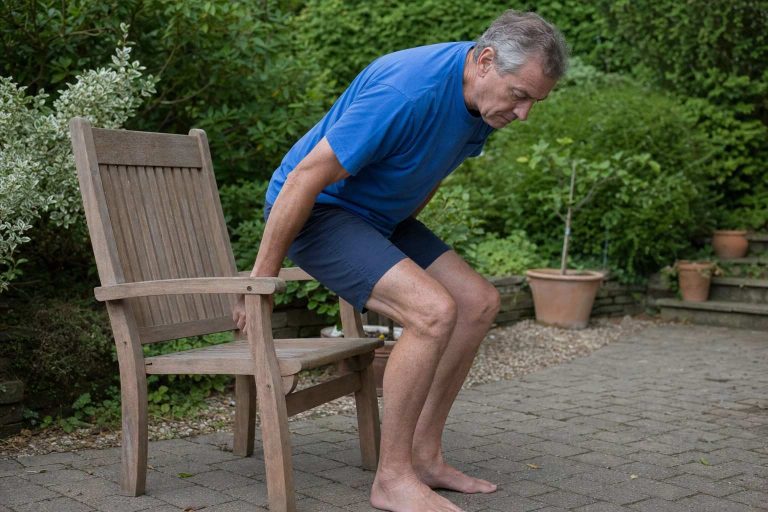
Descents strain a hiking knee far more than climbs, and quad and hip strength decide how well it copes. Home exercises build both, no gym required.

Balance fades quietly after 50, but it responds to home practice. Single leg stands, heel to toe walks, and a self test that shows where you stand.

Stairs, a loaded pack, and a neighborhood hill do more for hiking fitness than a gym membership. Here is how little is actually enough.
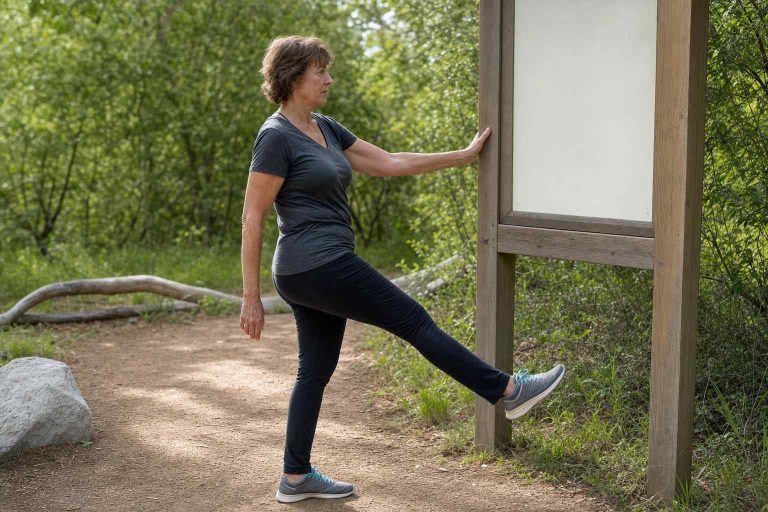
Static stretching on cold muscles does nothing for a hike. Here is the five minute warm up that actually works for joints over 50.
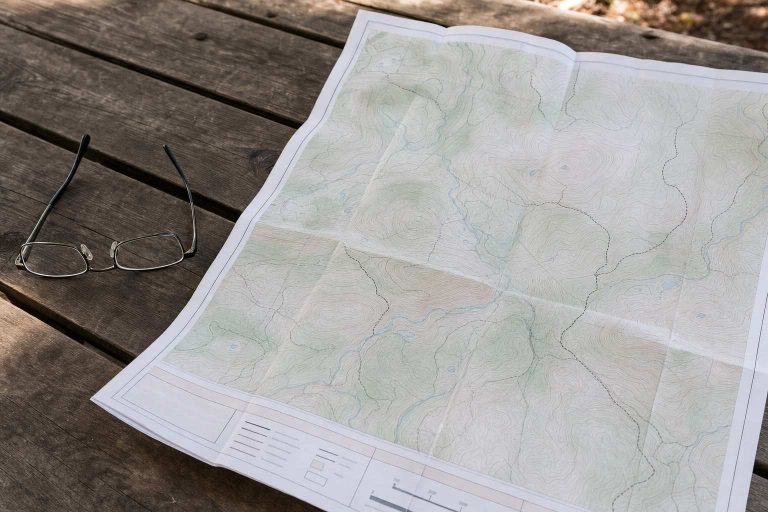
Trail maps look complicated until you know what contour lines, scale and blazes actually tell you. For an easy day hike, only a few parts matter.
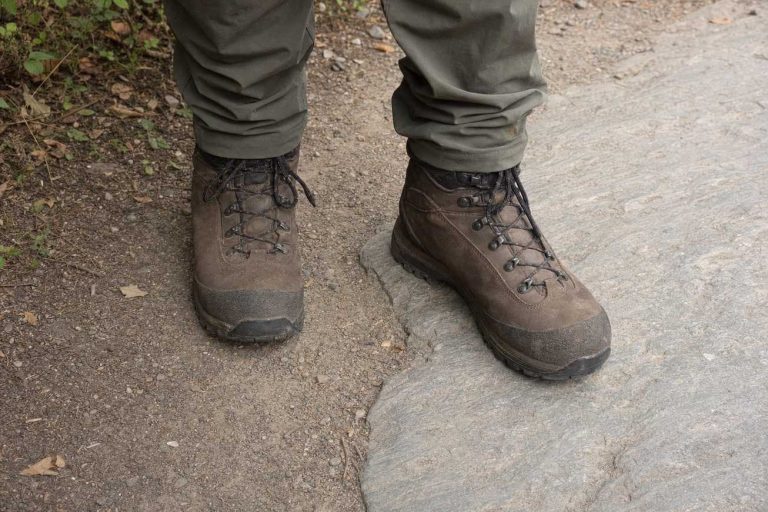
Loose gravel, wet rock, and mud each call for a different step. Learn to test the ground, shorten your stride, and know when to go around instead of over.
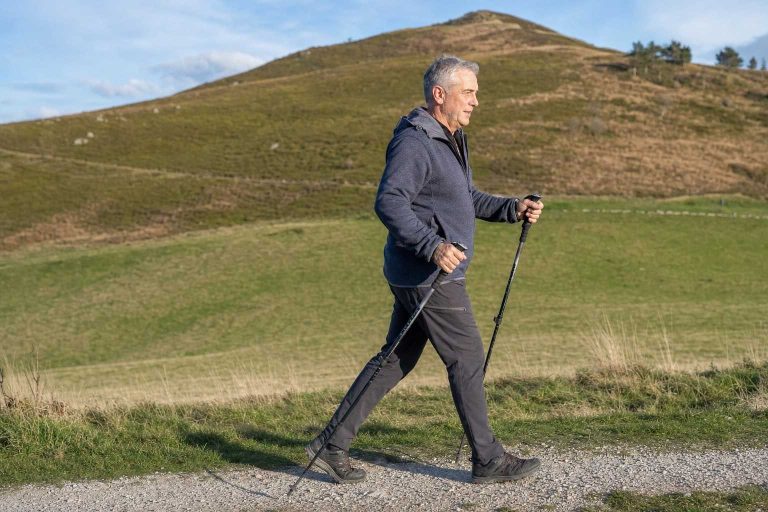
Most beginners carry trekking poles without loading them. The strap, length, and rhythm below turn poles into real support instead of dead weight.