Comfortable at three or four miles is not the same as ready for nine.
That gap catches hikers who have done everything right so far.
Pace feels good. Joints hold up. The trail is a habit now.
None of that automatically transfers to a hike that takes six, seven, or eight hours.
An all-day hike in the 8-10 mile range is not a bigger version of the hikes you already know. It changes the math on distance, food, water, and daylight, and it asks more of your pack.
Getting there safely is less about pushing harder and more about adding the right things, in the right order.
Add distance in small, deliberate steps
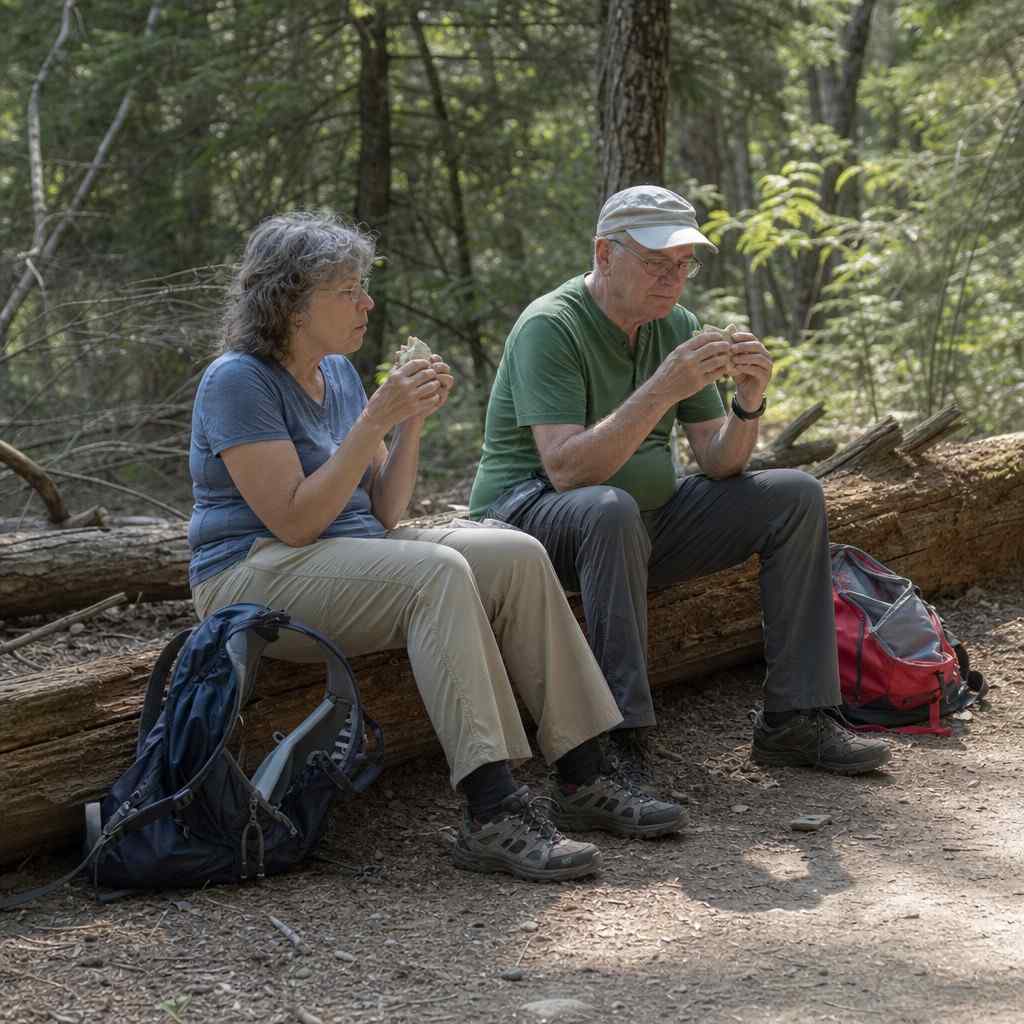
The instinct is to pick a 9-mile trail and go for it.
Resist that instinct.
According to the American Hiking Society, starting small and gradually working up to longer hikes builds the confidence a full day requires.
If your last hike felt genuinely easy, try something a little longer next time. Do not jump straight to the long trail.
That logic scales all the way up from where you started. The same principle carried you through your first month of hiking, from a walk around the block to a real trail.
Your first hike should be 2-4 miles round trip, regardless of elevation gain.
An all-day hike is that same idea, several steps further along.
A hike that is twice as long is not twice as hard. It is disproportionately harder, because fatigue compounds late in the day in ways a short hike never tests.
A workable progression looks something like this:
- 4-5 miles on familiar, mostly flat terrain, to confirm your current base holds up
- 6-7 miles with some real elevation, ideally on a natural trail surface
- 8-10 miles, your actual all-day target, once the step before it felt manageable
Add a mile or two per outing, not a leap.
Once you are covering real mileage, pacing the whole day matters more than the extra distance itself. The energy math behind the 50 percent turnaround rule is exactly the same whether the hike is four miles or ten.
What actually changes when a hike takes all day
Distance is the obvious variable. It is not the only one that shifts.
Water needs scale with the hours, not just the miles.
Drink one liter of water per two hours of hiking, on schedule not when thirsty.
Stretched across seven or eight hours, that is three to four liters, more than most short-hike routines carry without thinking about it. Plan the volume, and plan how you will carry or treat it.
Food changes too. A four-mile hike rarely needs more than a snack.
An eight-hour day is fueling continuous output, not topping off after a short walk. That timing does not change on a longer day, only the hours it covers.
Follow the hour-by-hour snack timing built for older beginners and simply budget for more hours of it.
Then there is daylight, which behaves nothing like a short afternoon hike.
According to the National Park Service, hikers should track when they set out so they do not get caught outside after dark. Set a turnaround time if the day runs long, and stick to it.
Daylight is the real budget on an all-day hike. Miles are just how you spend it.
Start earlier than feels necessary. An all-day hike uses most of the daylight window.
Afternoon weather tends to build in exactly the hours you will still be on trail.
Daylight is the real budget on an all-day hike. Miles are just how you spend it.
Packing for the whole day, not just a longer walk
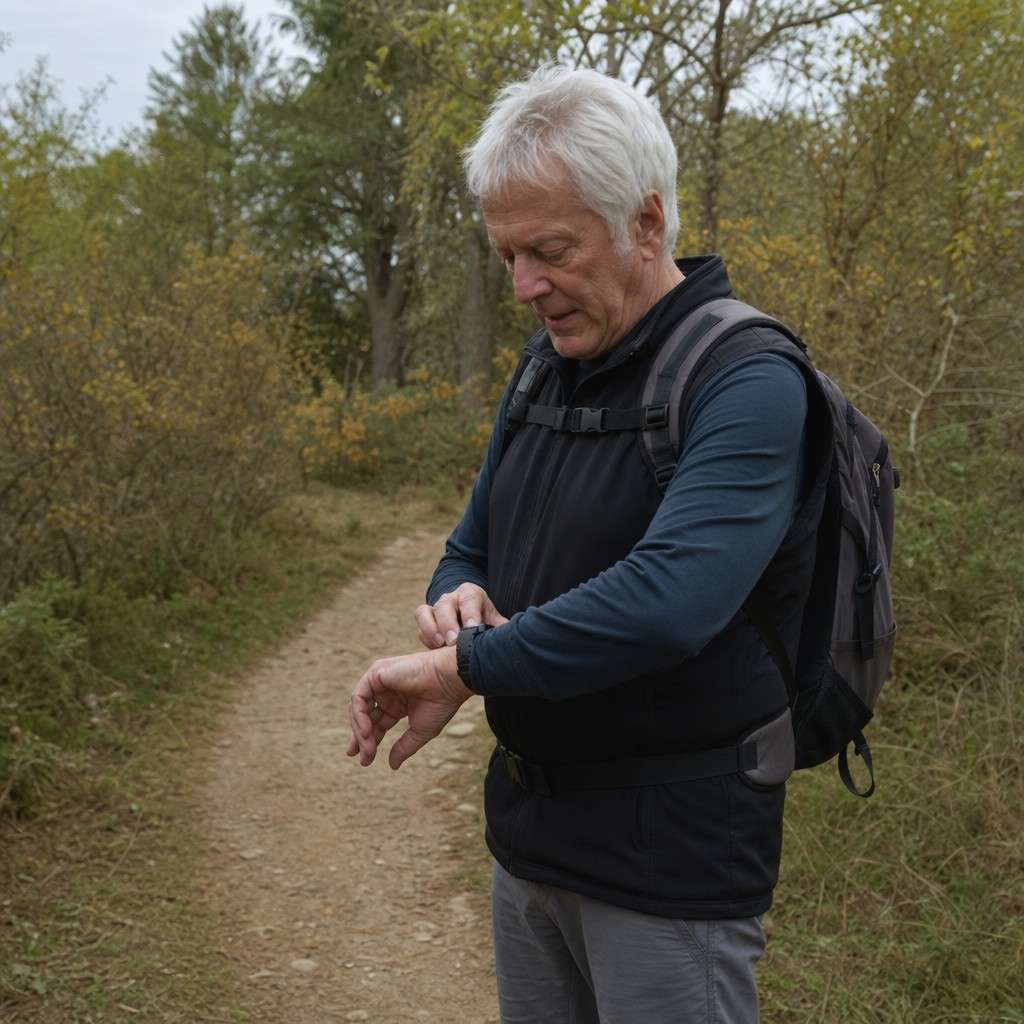
A day pack that works for four miles quietly runs short on an eight-hour outing. The gap shows up in a handful of specific places.
- Enough water for the full day, plus a way to treat more if a source is available on route
- Real food volume for continuous hours, not a single snack sized for a short walk
- A headlamp, carried even on a hike planned to finish well before dark
- An extra layer, since temperatures drop by late afternoon in ways a short midday hike never shows you
- A basic first aid kit sized for being hours from the trailhead, not minutes
Redundancy, not luxury, is the theme of a longer pack. None of this is about carrying more for its own sake.
It comes down to one fact. A problem on hour seven has no quick walk back to the car the way a problem on mile two does.
A problem on hour seven has no quick walk back to the car the way a problem on mile two does.
Give recovery more room than a short hike needs
A longer, harder day asks more of your joints and connective tissue than a short hike does, and the recovery window scales with it.
That is exactly what the guidance on how much rest older hikers need between hikes already covers. A genuine all-day hike sits at the longer end of that range, not the short-walk end of the scale.
Plan the day after the hike as carefully as the hike itself. Light activity, real food, and a longer rest window before the next outing all matter more after 8-10 miles than they do after 3.
This is general information, not medical advice.
According to the Centers for Disease Control and Prevention, increasing physical activity gradually, not in a sudden jump, prevents most activity-related injuries.
If you manage a heart, lung, or joint condition, check with your doctor before committing to a hike this much longer than usual.
Run this checklist before you commit to a long trail
Distance readiness is not a feeling.
It is a short list of things that are either true or not true yet.
- Your last two or three hikes at your current top distance felt genuinely easy, not just survivable
- You added distance in increments to get here, not in one jump from four miles to nine
- You know the trail’s daylight margin and turnaround plan before you leave the car
- Your pack carries enough water, food, and layers for the full day, not the shorter hikes you are used to
- You have real rest built in before the hike and real recovery time budgeted after it
If every one of those is true, the trail is ready for you.
If even one is not, that is useful information, not a failure.
Pick a slightly shorter target, close the gap on your next outing, and save the long trail for the one after that.