Pacing a Day Hike: The 50% Energy Turnaround Rule
Pace your hike by conversation, not effort, and turn around at 50% energy, not when tired, so the return leg doesn’t become the hardest part of the day.

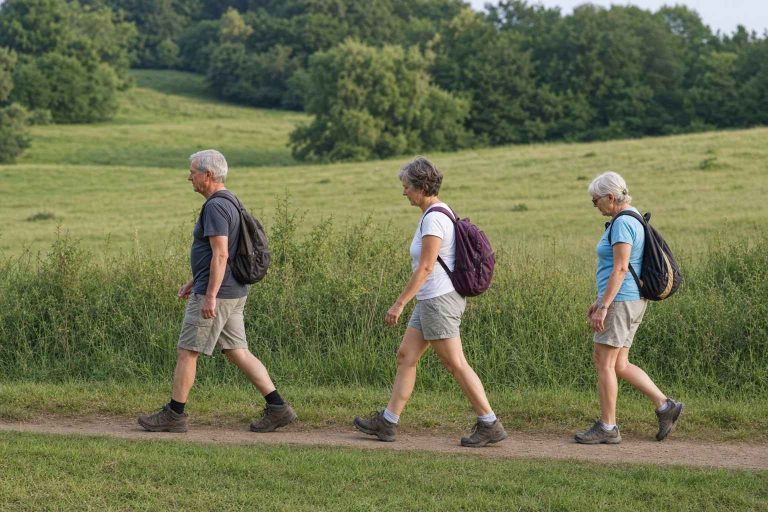
Pace your hike by conversation, not effort, and turn around at 50% energy, not when tired, so the return leg doesn’t become the hardest part of the day.
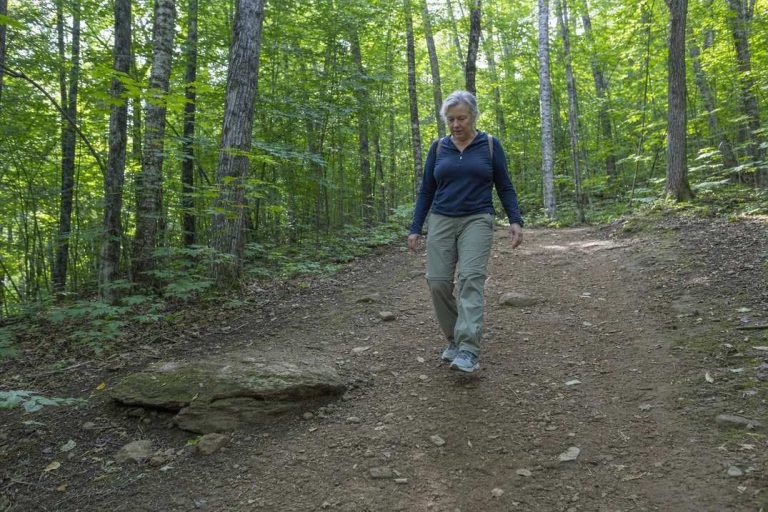
Downhill sections cause most hiking sprains. Shorter steps, bent knees and a slower pace protect your knees and ankles on the way down.
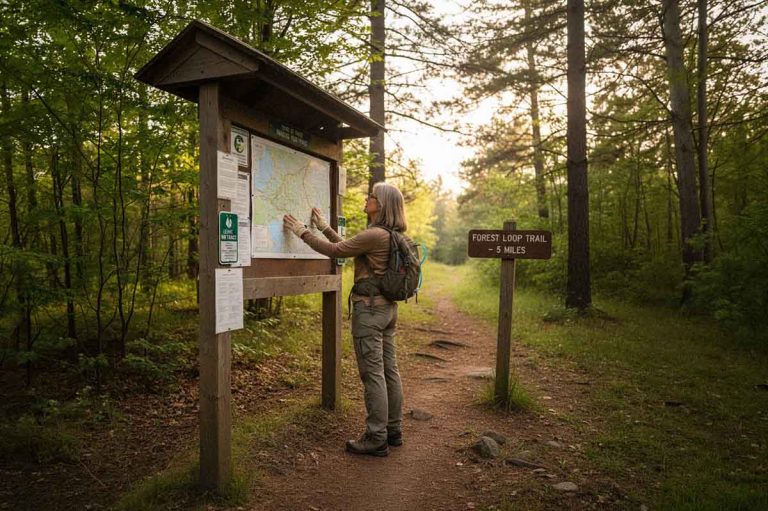
Most beginners pick a trail by distance. That’s the wrong variable. Here are the four things to check first.
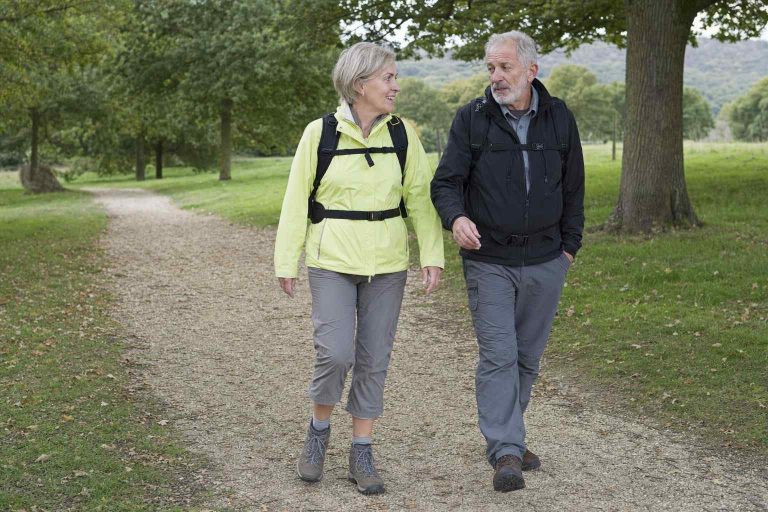
A four-week hiking plan built for adults over 50. Learn to read your body, build recovery in, and progress without injury.
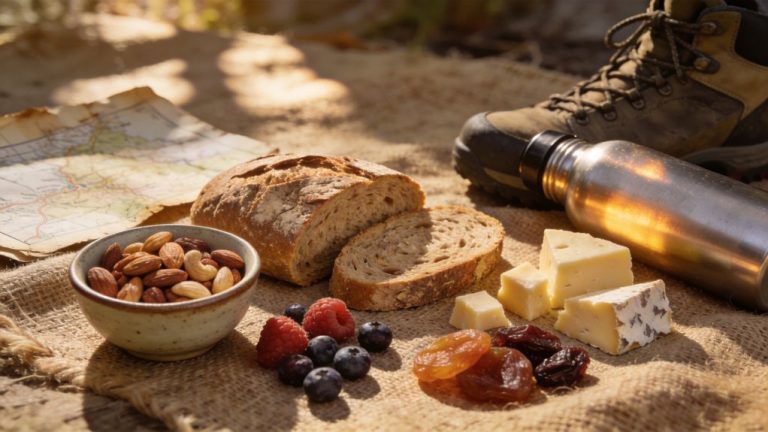
Struggling with energy crashes on trails after 50? Fuel smart with protein-carb snacks, hourly hydration schedules, and nutrient-dense options that sustain hiking performance.
Trail difficulty ratings are wildly inconsistent. “Easy” on one platform is “Moderate” on another. Ratings set by fit 30-year-olds don’t reflect your reality as a new hiker over 50. Learn to evaluate trails yourself using elevation gain, grade percentage, and terrain type.
Sore after hiking? Learn why you need 48-72 hours recovery between hikes. This guide breaks down recovery by hike intensity, warning signs of overtraining, and stretches tailored to your body.
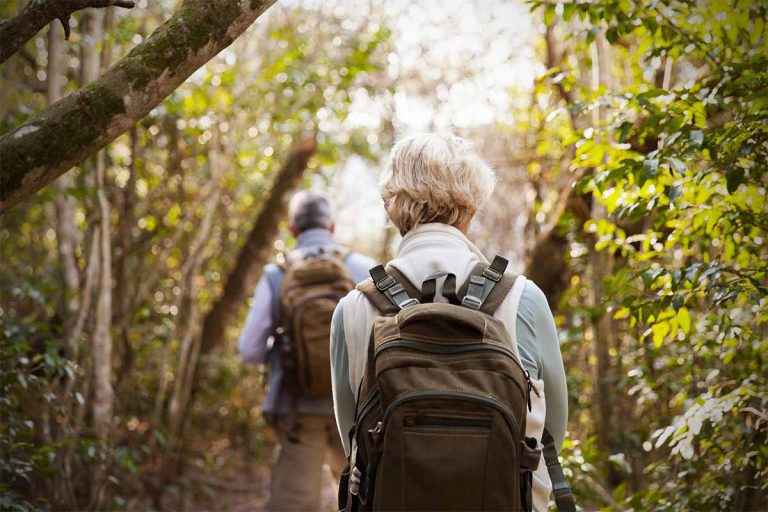
If hiking feels harder in your late 40s and 50s, you’re not imagining it. Menopause affects temperature regulation, joint stability, muscle mass, and recovery time. You overheat faster, downhills stress your knees more, and pack weight that felt manageable suddenly…
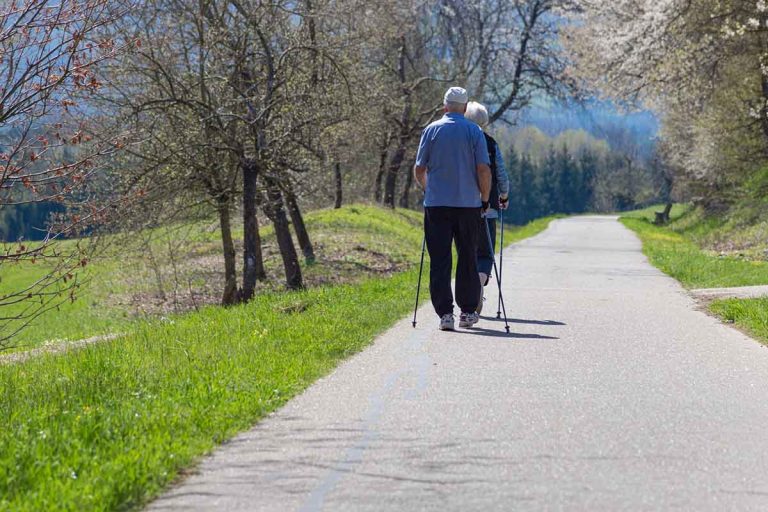
You’re not too old to start hiking at 50, 60, or even 70. Research from outdoor recreation participation studies shows adults over 50 are starting hiking in record numbers, challenging the stereotype that trails belong to younger generations. The demographic…