Hiking Footing Techniques: How to Read Gravel, Roots, and Wet Rock
Loose gravel, wet rock, and mud each call for a different step. Learn to test the ground, shorten your stride, and know when to go around instead of over.

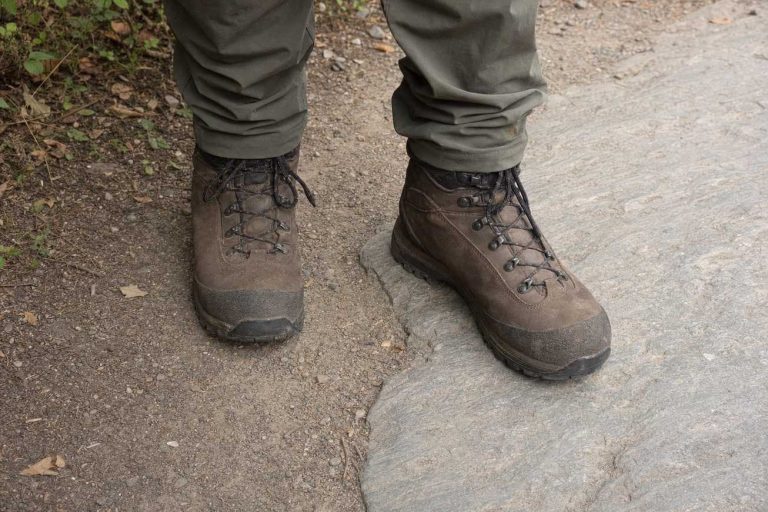
Loose gravel, wet rock, and mud each call for a different step. Learn to test the ground, shorten your stride, and know when to go around instead of over.
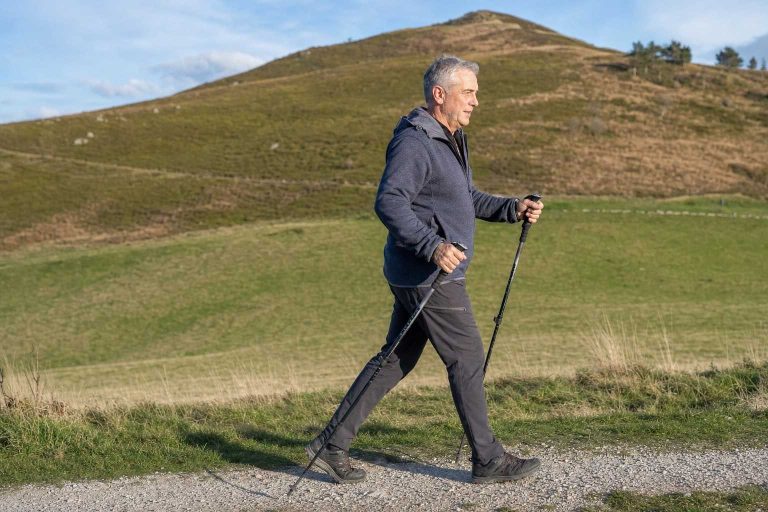
Most beginners carry trekking poles without loading them. The strap, length, and rhythm below turn poles into real support instead of dead weight.
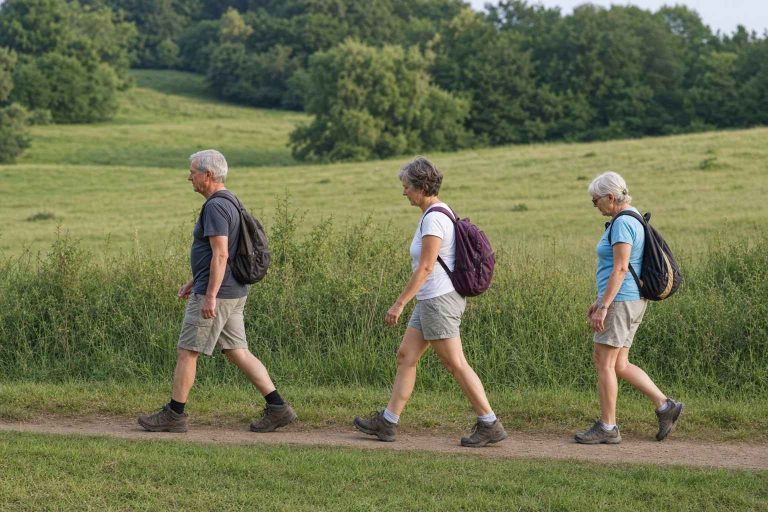
Pace your hike by conversation, not effort, and turn around at 50% energy, not when tired, so the return leg doesn’t become the hardest part of the day.
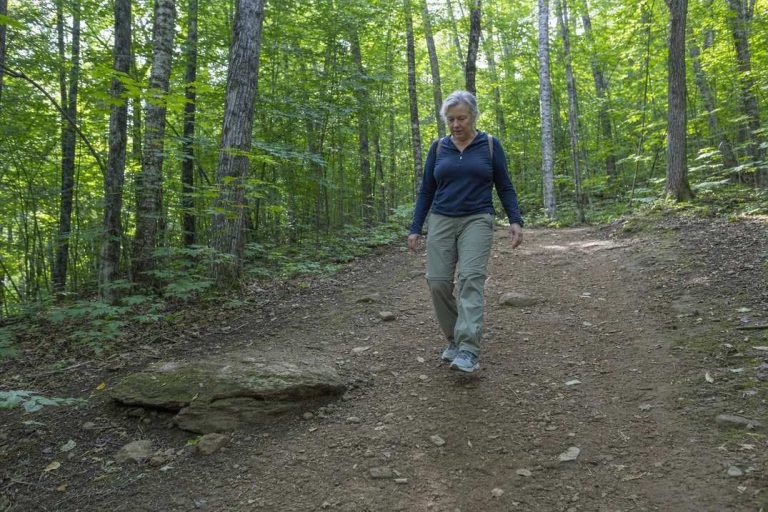
Downhill sections cause most hiking sprains. Shorter steps, bent knees and a slower pace protect your knees and ankles on the way down.
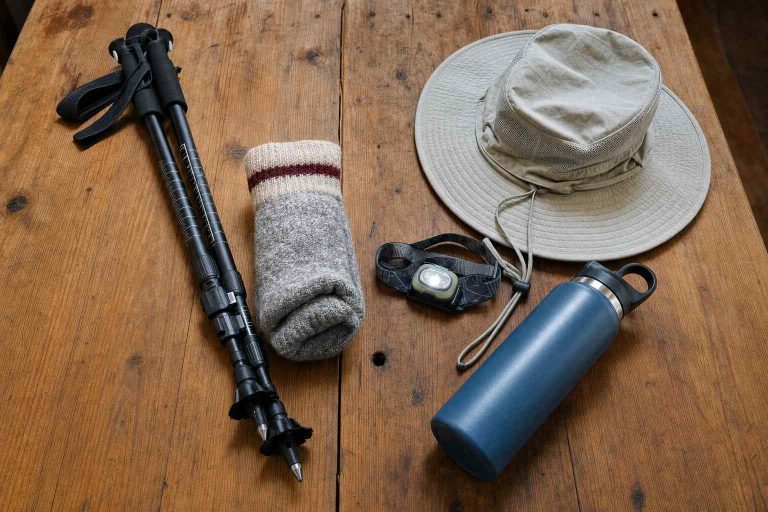
The best gift for a new hiker over 50 solves one specific worry, from sore knees to cold feet to getting caught after dark. If you only buy one thing, make it trekking poles.
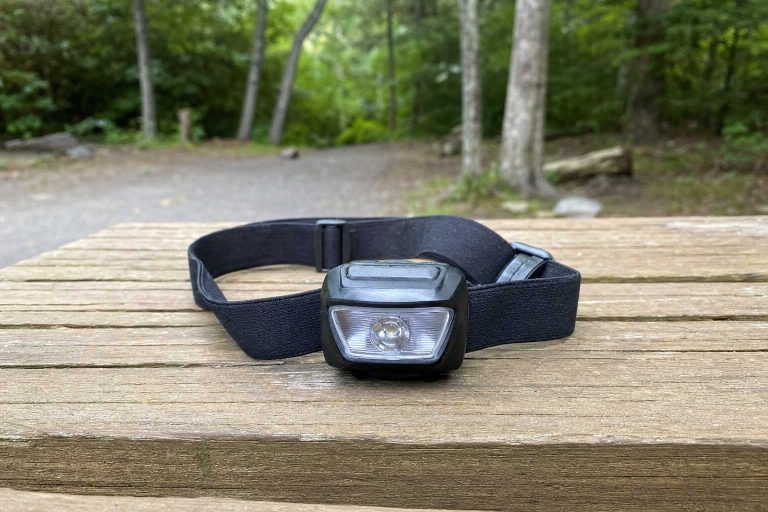
The best headlamp for most day hikers over 50 is the Black Diamond Spot: bright enough for the trail, simple to run with cold hands, and rechargeable. Here are the picks.
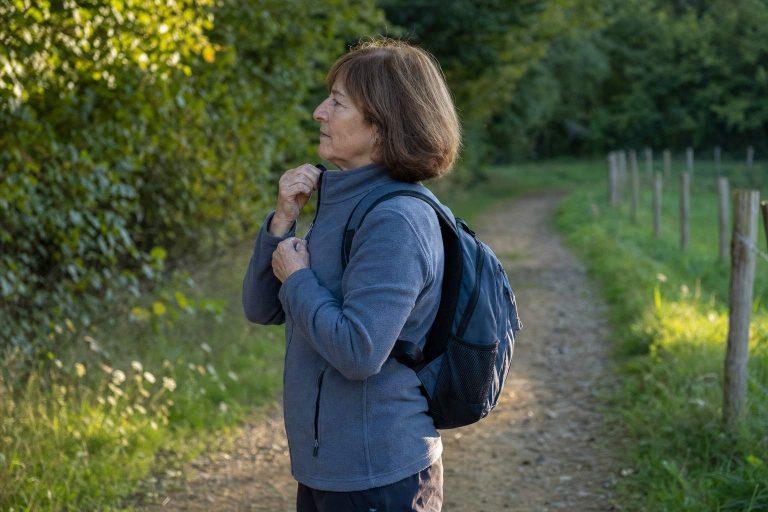
A quick guide to picking the right fleece jacket as your mid layer, matched to how warm you run and how far you hike.
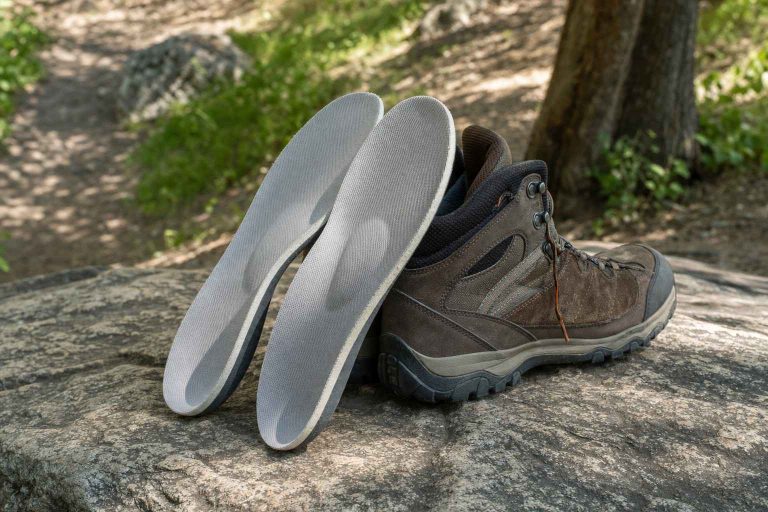
A practical guide to picking hiking insoles that cushion the impact, support your arch, and make your boots feel like they actually fit.
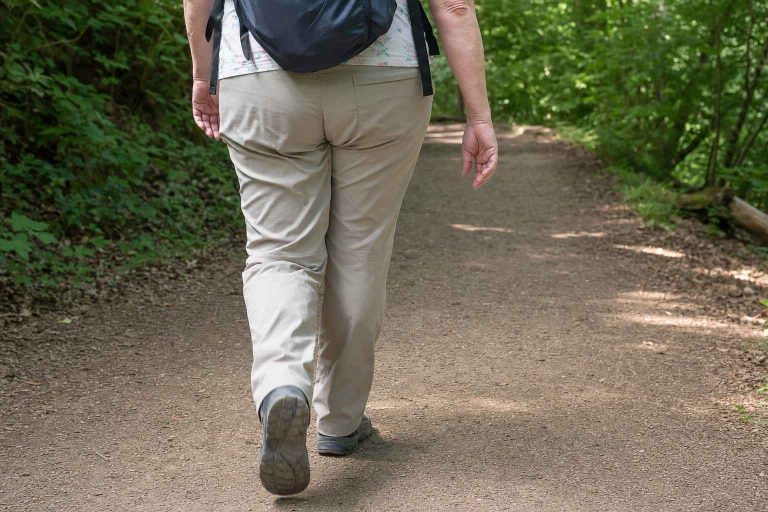
A straightforward guide to choosing hiking pants that move comfortably, dry fast, and actually work on the trail.
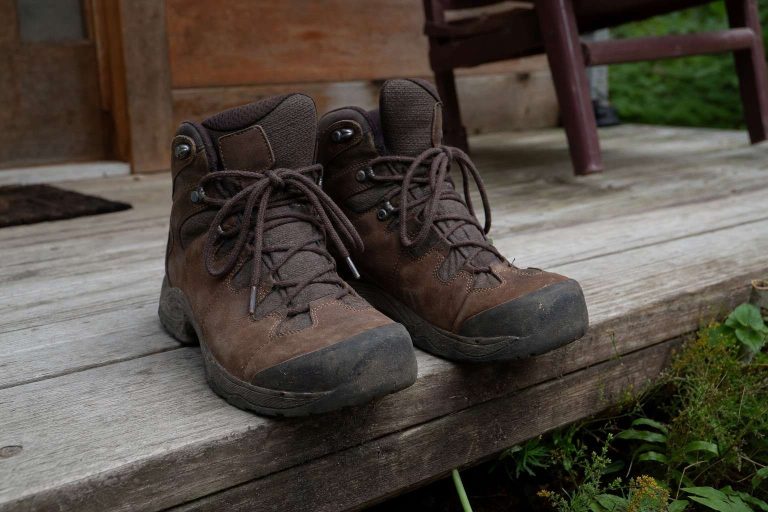
A practical guide to choosing hiking boots that fit well, support your ankles, and won’t punish you on your first few trails.