You packed a rain shell. The temperature dropped anyway.
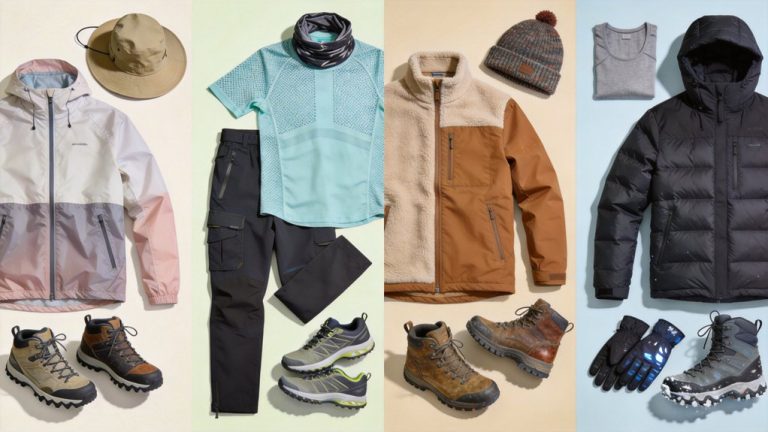
A fleece jacket is the mid layer that fixes that problem. It sits between your base layer and your shell, adds real warmth, and packs down small enough to carry on every hike.
You have already decided you want one. This guide helps you pick the right one fast.
Fleece is not your outer layer and not your base layer. It is the insulating piece in the middle, and getting that one right makes the whole system work.
What Actually Matters
A few things separate a fleece that earns its spot from one that sits in your closet.
Fleece weight. The number is the grams of fabric per square meter. 100-weight is thin and packable, 200-weight is the everyday sweet spot, and 300-weight is heavy and warm for cold mornings over hard climbs.
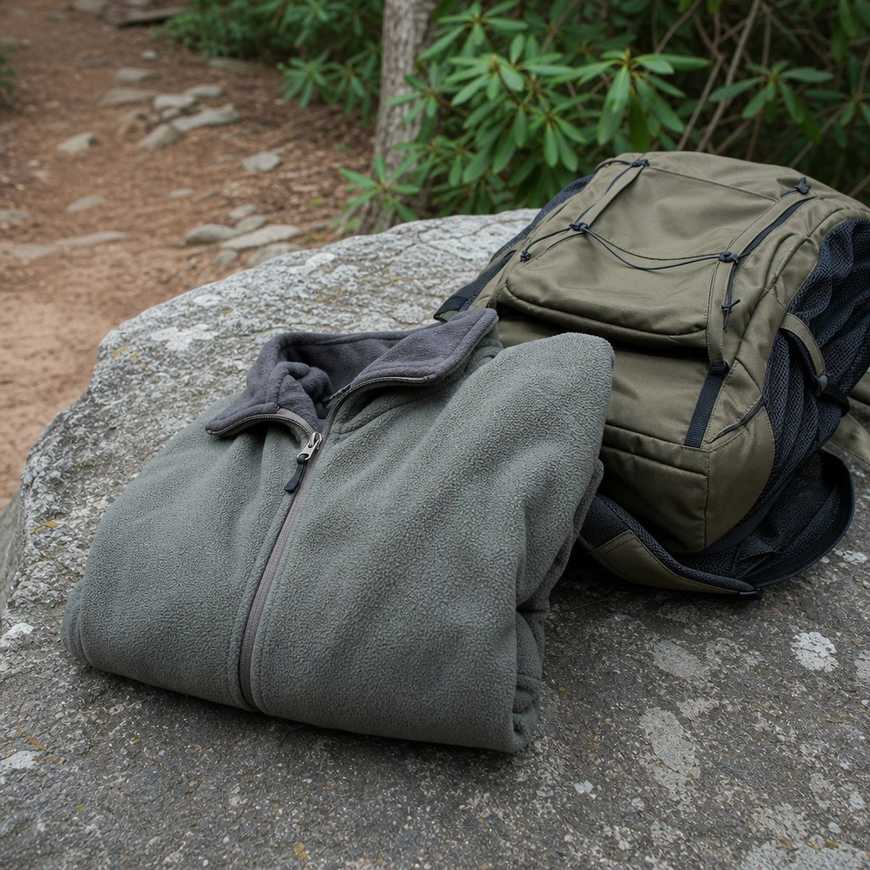
How well it packs. A fleece you can stuff into its own pocket or a corner of your daypack is one you will actually carry. Bulkier options stay home.
Layering fit. A relaxed cut needs to sit comfortably over a base layer and still slide under a rain shell without bunching.
Full-zip versus pullover. Full-zip gives you ventilation control on the climb, and most hikers find it more practical than a simpler, cheaper pullover.
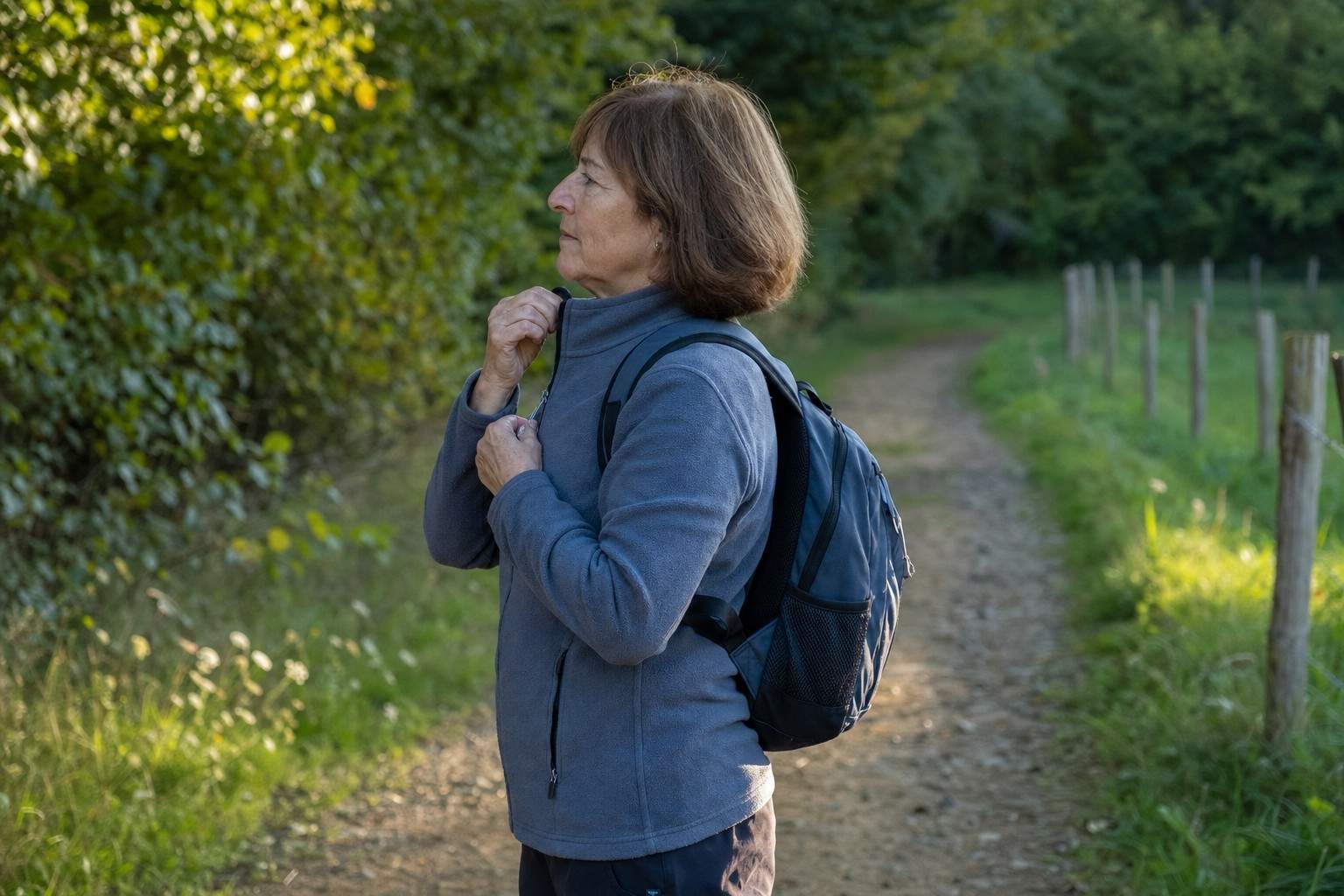
A fleece that layers smoothly is what you want when the temperature drops mid-hike and you need to add it on the trail.
That is the whole checklist. Now the picks.
Best Overall Mid Layer
Pick: a 200-weight full-zip fleece with a relaxed cut.
This is the right answer for most day hikers. A 200-weight fleece is warm enough for cool mornings and brisk ridgelines, light enough to wear while moving, and packable enough to carry even when you don’t think you’ll need it.
Look for a full front zip, a chest pocket that doubles as a stuff pocket, and enough room across the shoulders that you are not fighting the fabric.
You can compare a range of full-zip fleece jackets and filter for 200-weight in the description.
Get this one right and most hiking days are covered.
Best Budget
Pick: a basic 200-weight full-zip from a mainstream outdoor brand.
You do not need to spend a lot to have a solid fleece mid layer. The thermal properties of standard polyester fleece are not dramatically different across price points.
What you give up at the lower end is usually fit refinement, zipper quality, and pocket placement.
For occasional cool-weather hikes, a budget fleece jacket in a relaxed cut does the core job fine.
Warmth-to-price ratio is excellent at this tier.
Best Lightweight and Packable
Pick: a 100-weight fleece or a grid-fleece pullover.
If you run warm or hike fast, a lighter fleece is more useful than a heavier one. A 100-weight fabric adds a real layer of warmth without the bulk, and most pack down to roughly the size of a water bottle.
Grid fleece (a textured open-weave construction) is especially good here. It is lighter and more breathable than standard fleece at the same warmth level.
The trade-off is that these do not replace a heavier mid layer on genuinely cold days. They are at their best as a packable insurance piece, or as your active layer when you are moving hard.
A lightweight packable fleece is the easiest extra layer to carry and the one you are least likely to leave behind.
Best Warmth for Cold Days
Pick: a 300-weight fleece or a high-pile fleece jacket.
Some mornings call for something heavier. A 300-weight fleece or a high-pile option (thick, plush fleece construction) delivers noticeably more warmth than the mid-range options above.
The trade-off is bulk and breathability. These are not great for hard climbs because they trap heat.
They work well for cold starts, rest breaks, and low-output hiking where staying warm matters more than venting.
Columbia’s Steens Mountain line and similar 300-weight options have been around long enough to have a clear reputation: genuinely warm, comfortable, and relaxed-fitting.
They do not pack small, so carry this one when the forecast calls for it.
Best Relaxed, Comfortable Fit
Pick: a fleece with a longer cut, large zippers, and room across the back.
Not every fleece fits a hiking body well. Many are cut for a slim athletic silhouette that pulls across the shoulders when you reach forward or climb. A relaxed cut sits differently.
Look for a hem that reaches your hip, a cut that does not taper aggressively at the waist, and zipper pulls large enough to grab with cold hands.
These things matter more on the trail than they do in a store.
A comfortable relaxed-fit fleece jacket is the one you will actually pull on when the air gets cool, which is the whole point. It also layers cleanly under a shell, so adding a rain jacket over the top stays easy whether you hit light mist or real weather.
Bottom Line
If you buy one fleece, make it a 200-weight full-zip in a relaxed cut. It handles the widest range of conditions, layers cleanly under a shell, and packs small enough to carry every time.
Running warm, hiking hard, or watching your budget shifts the answer. But for most hikers, the everyday 200-weight full-zip is the mid layer that earns its place in your pack every single time.