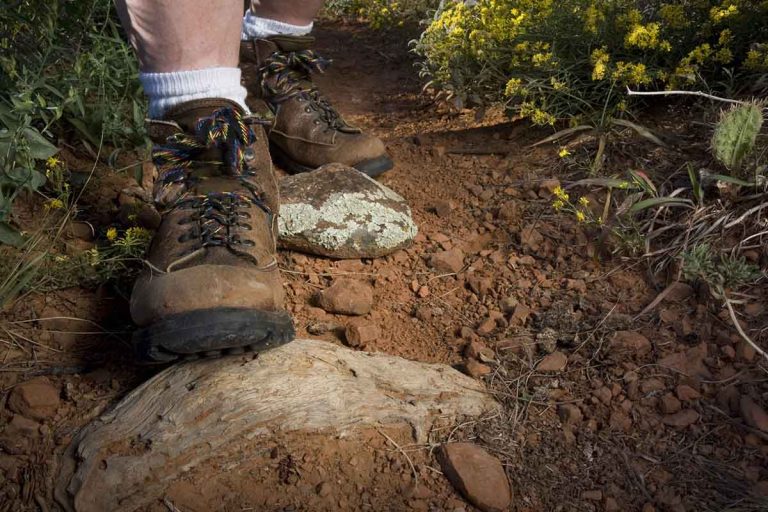
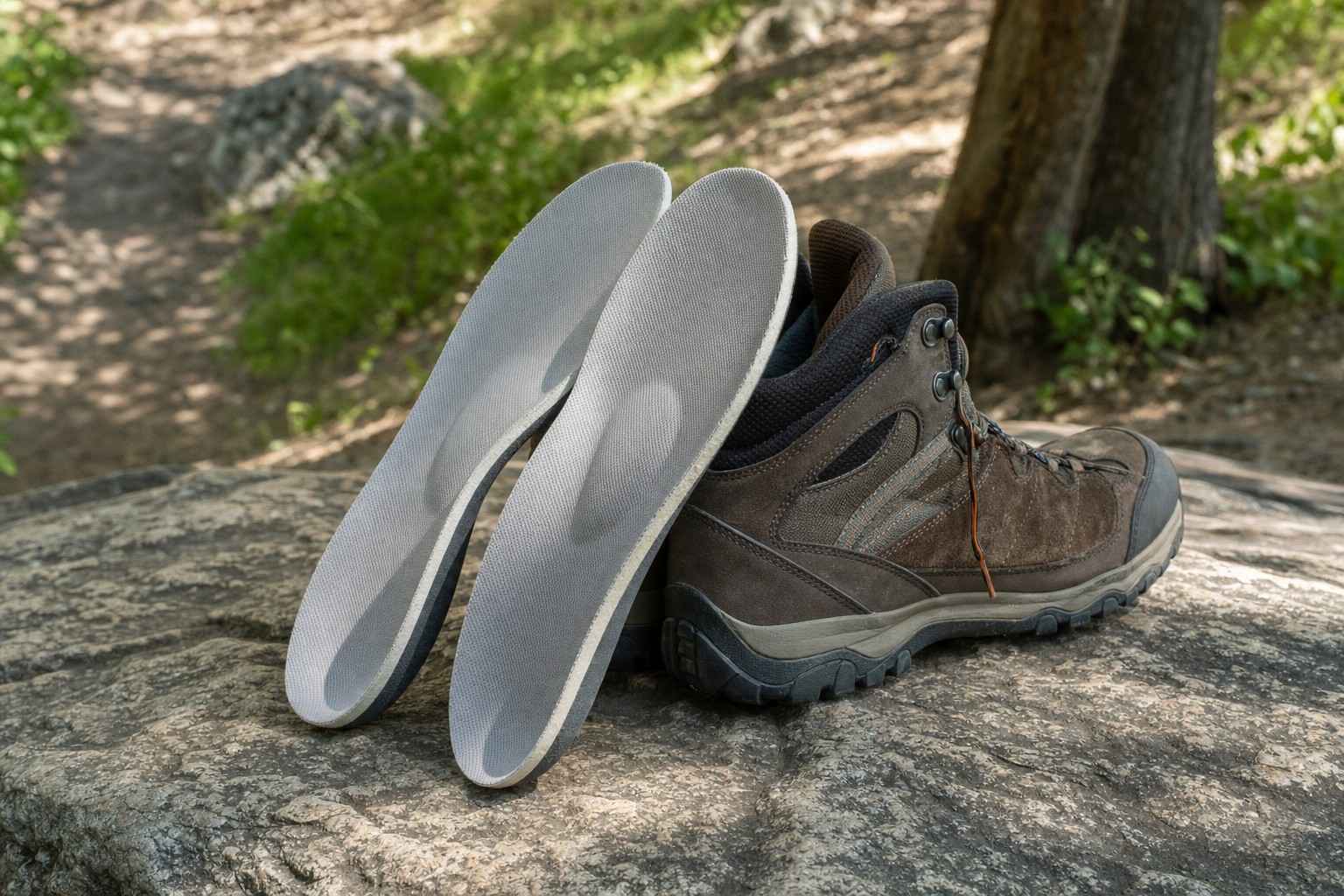
Your boots came with flat foam insoles. They were not designed for you.
Replacing that factory footbed is one of the fastest ways to make a hike more comfortable. More cushion, better arch support, and a firm heel cup can change how your feet, knees, and lower back feel by mile three.
You have already decided you want a pair. This guide helps you pick the right one fast.
The difference between insoles is not about brand loyalty. It is about finding the arch height, cushion level, and heel support that match your foot and your trail.
What Actually Matters
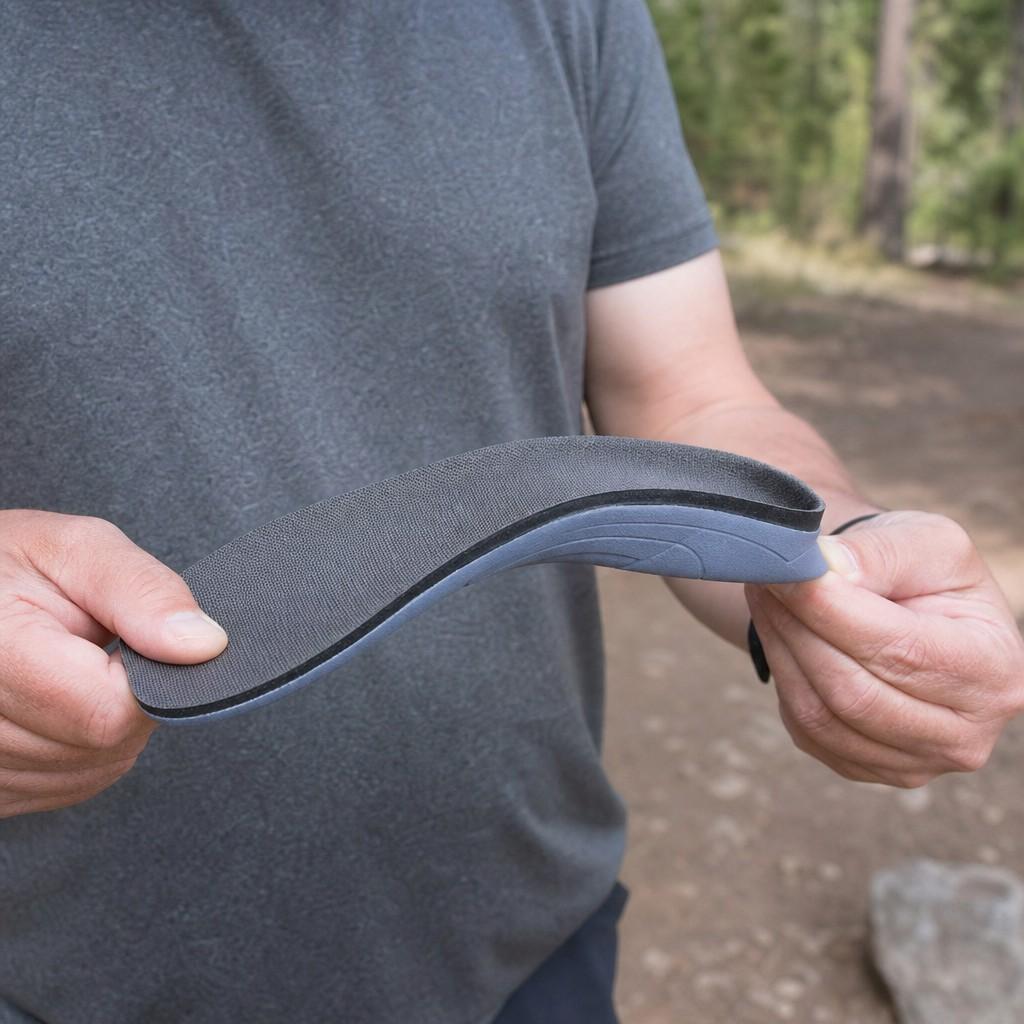
A few factors separate a useful insole from a useless one.
Arch support type. Match the height to your foot: flat feet want a flatter, wider base, and a higher arch wants a deeper cup. The wrong height causes as many problems as no support at all.
Cushioning. Foam or gel layers under the heel and forefoot soften the impact of roots and rock, and it matters more as the miles add up.
A firm heel cup. A deep, rigid heel cup keeps your foot from rolling and adds real stability on uneven ground.
This is the structural piece most people overlook.
Trimming to fit. Most insoles come slightly oversized and trim with scissors along a printed guideline.
That is normal, not a defect.
Why replace the factory insole at all. The flat foam in most boots has no arch shape, almost no cushion, and compresses fast. A proper aftermarket insole does the job that placeholder never could.
That is the whole checklist. Now the picks.
Best Overall Support
Pick: a medium-arch insole with a firm heel cup and moderate cushioning.
This is the right starting point for most hikers. Brands like Superfeet and Powerstep have built their reputations on one formula.
That formula is a rigid or semi-rigid base that holds its shape, a medium arch that works for the broadest range of feet, and enough foam underfoot to soften the trail without feeling spongy.
Superfeet’s green-board series has been the benchmark in this category for years. Powerstep’s full-length options are slightly softer and often a good fit for people who find the Superfeet too stiff.
You can compare a range of hiking insoles with arch support and look for descriptions that mention a rigid base and a deep heel cup.
Those are the load-bearing details.
Best Cushioning for Joints
Pick: a high-cushion insole with gel or thick foam under the heel and forefoot.
If your knees or hips have been talking to you on the descent, the trail surface is part of the problem and more underfoot cushioning is part of the answer.
A thicker, softer insole absorbs impact before it travels up your leg.
The trade-off is that very soft insoles offer less stability. They are better for smoother trails and shorter hikes than for rocky backcountry terrain.
For extra cushion, look for insoles specifically labeled for impact absorption or joint comfort. Pair this with the right socks, since moisture-wicking hiking socks reduce friction and help cushioned insoles do their job properly.
You can find a solid selection of cushioned insoles for hiking in the mid-range that work well for day hikes on maintained trails.
Best for Heel Pain
Pick: an insole with a deep heel cup and targeted heel cushioning.
Heel pain on the trail often comes from too little support in that one spot. Think first-step soreness in the morning, or a sharp ache under the heel pad.
An insole with a pronounced, structured heel cup cradles the heel bone and reduces the sideways roll that aggravates it.
Some insoles add a small gel pod directly under the heel. That helps. But the cup structure matters more than the gel layer.
If heel pain is persistent, a podiatrist is the right next step. Insoles are a comfort tool, not a medical treatment.
But for trail discomfort that comes and goes, insoles designed for heel support make a real difference.
The same principle applies to your knees. Good insole support from the ground up helps support your knees and joints on longer descents where the impact adds up.
Best High Arch Support
Pick: a high-arch insole with a rigid shell and low-profile foam layer.
If you have always needed arch support in dress shoes or athletic shoes, you need it on the trail too.
Hiking puts more lateral stress on the foot than running or walking on pavement, so a rigid base holds up better than a soft foam arch that collapses under load.
High-arch options tend to run a bit narrower in the arch shell.
If your boot is already snug across the midfoot, check that the insole does not add too much height and crowd your toes.
Look for high arch insoles for hiking boots and confirm in the description that the shell is semi-rigid or rigid, not foam-only.
Best Budget
Pick: a simple foam insole with light arch contouring.
You do not have to spend much to do better than the factory blank. A basic contoured foam insole adds some arch shape and a bit more underfoot padding for far less money than the premium options.
The trade-off is durability. Foam compresses over time, especially under your heel.
A budget insole lasts a season of regular day hikes, not years.
For occasional use or for testing whether insoles help before committing to a premium pair, an inexpensive foam hiking insole is a sensible first step.
Bottom Line
If you buy one pair, start with a medium-arch insole with a firm heel cup. It works for the widest range of feet and handles most day hiking conditions well.
Persistent heel pain shifts the answer toward a deep-cup model. Very high or very flat arches need a closer match. And if your main concern is joint comfort on rocky trails, prioritize cushion over structure. But for most hikers replacing flat factory foam for the first time, the medium-arch option is the right place to land.