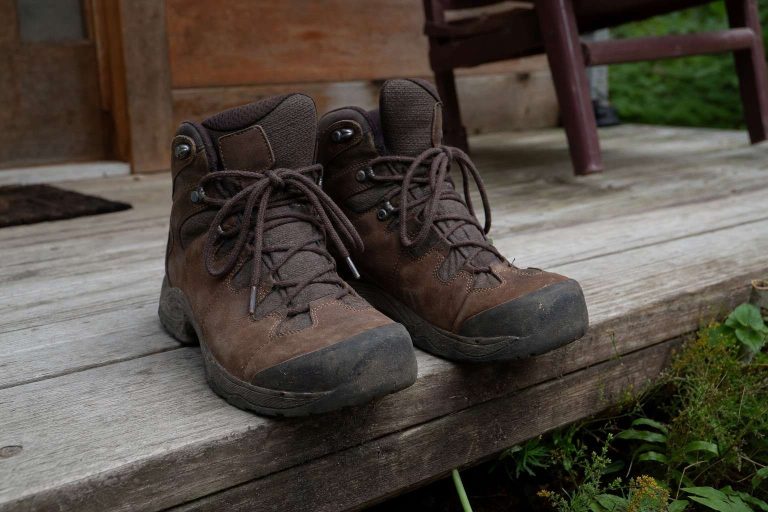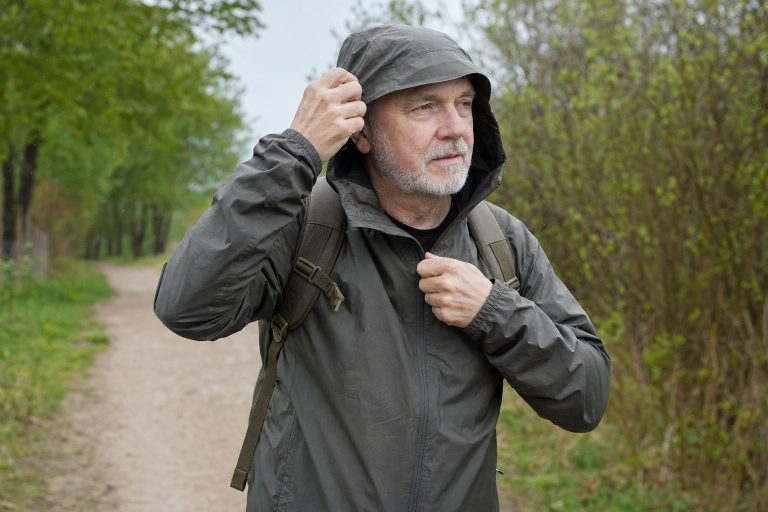
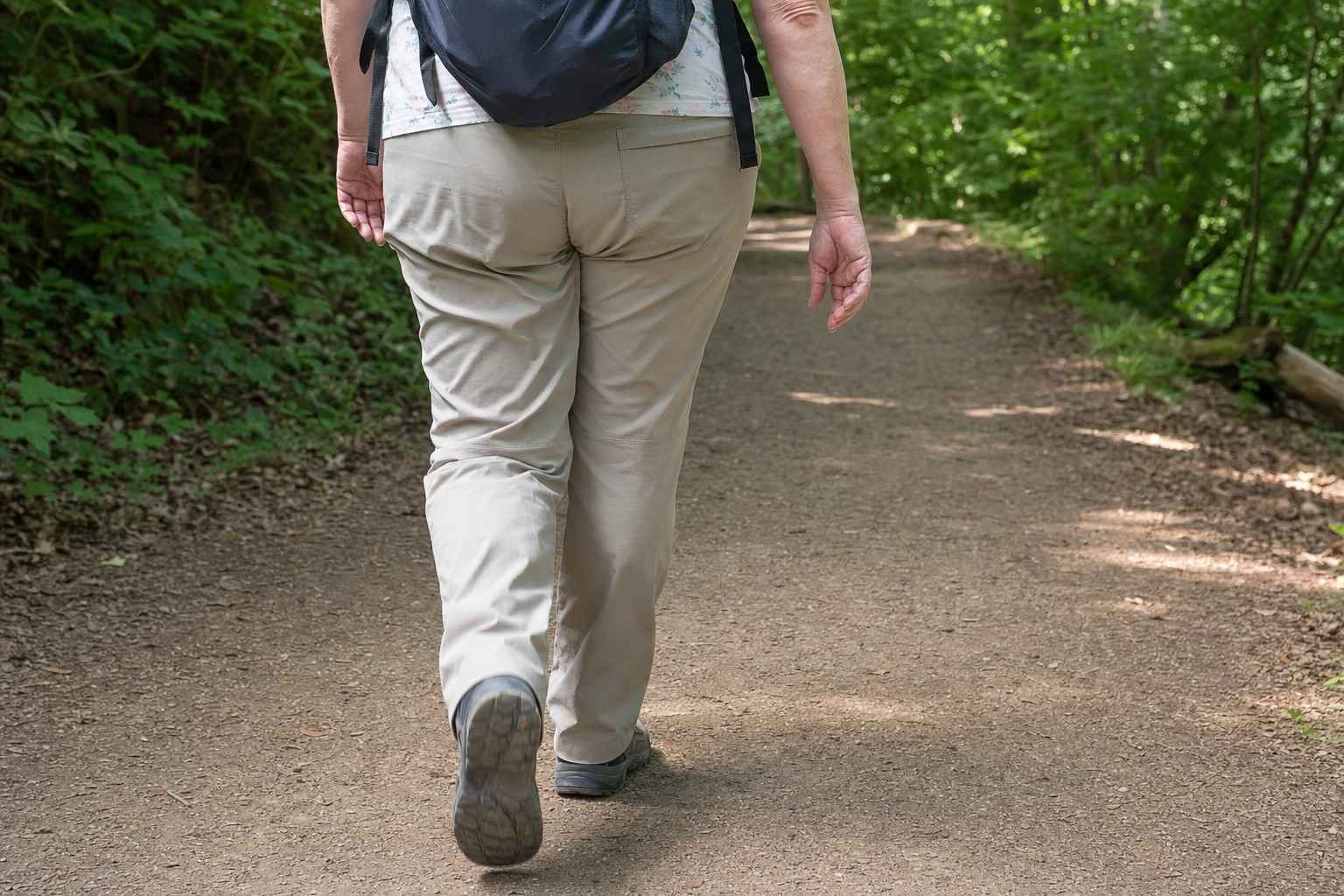
Jeans are a tempting choice. You already own them, and they look fine.
Hiking pants exist because jeans work against you the moment the trail gets real. They stiffen up, hold moisture, and chafe on longer walks. Swap them once and you won’t go back.
You’ve already decided pants make sense. This guide helps you find the right pair fast.
What Actually Matters
A few things separate good hiking pants from ones you’ll leave in the car.
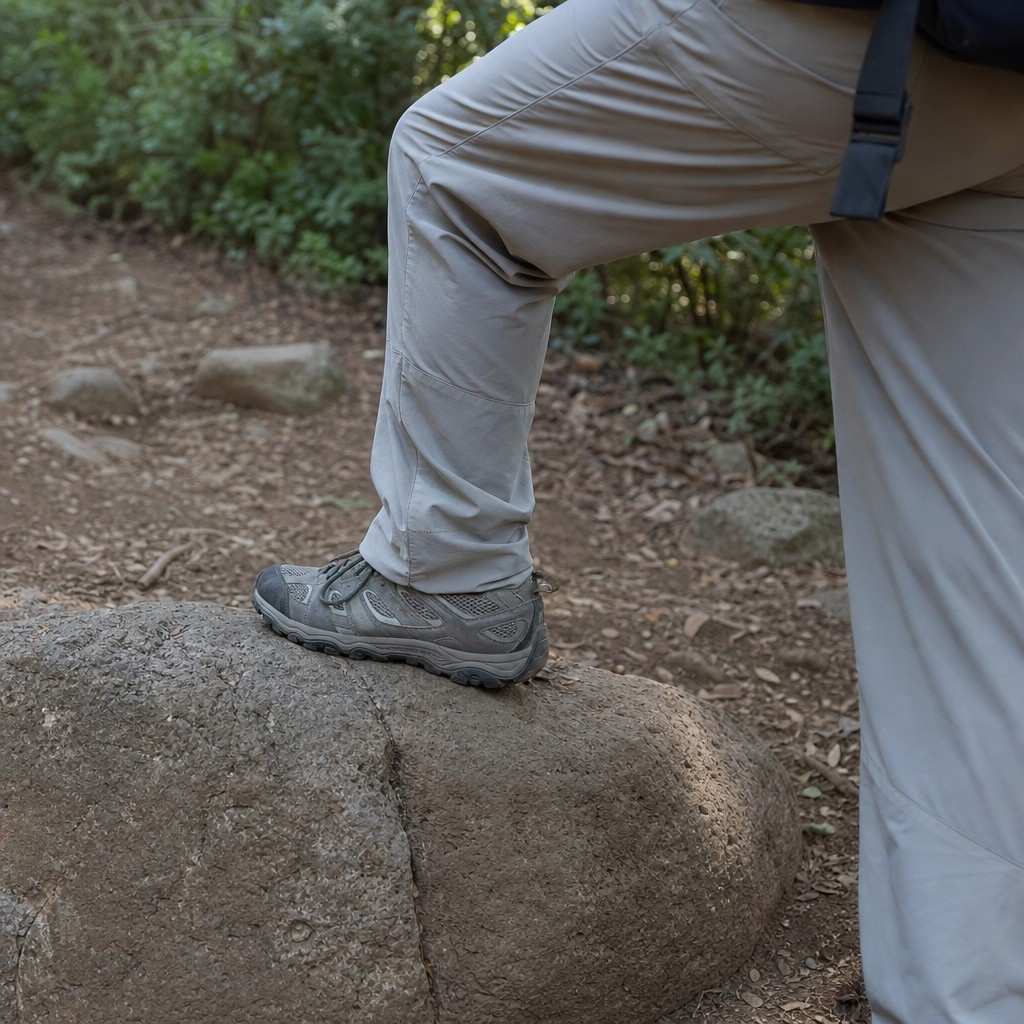
Stretch. Stepping onto rocks, crossing streams, and pushing uphill all demand give that stiff pants don’t have.
Waist comfort. An elastic or stretchy waistband makes a long day easier on your midsection. A rigid waist with stiff belt loops sounds fine at the store, but five miles in it tells a different story.
Quick-dry fabric. Nylon and polyester blends dry in minutes after a light shower, while cotton holds water and cools you down at the wrong moments.
Sun coverage. Pants with a UPF rating add real protection on open, shadeless stretches where shorts leave your legs exposed for hours.
Pockets. Deep pockets with secure zippers, for trail snacks and a phone, matter more than you’d expect.
If you’re thinking about hiking in hot weather, pants can actually run cooler than bare skin in direct sun once the trail heats up.
That’s the checklist. Now the picks.
Best Overall
Pick: a mid-weight stretch nylon pant with an elastic waistband and zip pockets.
This is what most day hikers should buy first. Nylon with a small percentage of spandex or elastane gives you full range of motion without the pant feeling baggy.
The fabric dries fast, handles brush and light scrambling, and looks decent enough for a post-hike lunch.
Columbia Silver Ridge is one well-known line in this class. prAna Stretch Zion is another. Both have been around long enough to have a reliable reputation for fit and durability.
You can compare a range of stretch hiking pants and look for nylon-spandex blends with zip pockets in the description.
Get this right and most trails are covered.
Best Budget
Pick: a lightweight polyester trail pant with a simple elastic waist.
You don’t have to spend a lot to get off cotton. A basic polyester hiking pant with some stretch sewn in handles day hikes well and typically costs less than most people expect.
The trade-off is feel. Cheaper polyester can hold odor faster and feel slightly less refined than performance nylon.
For a weekly trail habit, that’s a real consideration. For occasional outings, it barely matters.
A budget hiking pant is a smart first purchase if you’re still figuring out how often you’ll hike before committing to something pricier.
Best Convertible (Zip-Off to Shorts)
Pick: a zip-off pant that converts to shorts at the knee.
These are practical for hikes with variable conditions. Start with full coverage in the cool morning, zip off the legs when the trail heats up by midday.
The zipper seam sits just below the knee on most designs, which works well for most builds. If you’re particular about where a short hits your leg, try them on before buying.
Fit and weight vary a lot in this category. Look for a convertible that doesn’t feel stiff at the zip-off seam, and make sure the detached legs fit in a pocket or a small stuff bag.
A good pair of zip-off convertible hiking pants covers you on half-day hikes where the temperature swings.
Best for Hot Weather
Pick: a lightweight, ventilated pant in a lighter color with a UPF rating.
When temperatures climb, pants feel counterintuitive. But thin, light-colored hiking pants with UPF 50 actually protect skin from radiant heat better than bare legs do on exposed ridges and open trails.
Look for lighter-weight fabric (under 4 oz per yard if listed) and a relaxed leg that allows airflow as you walk. Light tan, khaki, or gray reflects more heat than dark colors.
Thinking through what to wear on an exposed trail makes this choice easier to frame.
A ventilated, UPF hiking pant is one of those purchases that feels unnecessary until the first truly hot day out.
Best Relaxed, Comfortable Fit
Pick: a roomy straight-cut pant with a wide elastic waist and simple closure.
Not everyone wants a trim athletic cut that traces every leg line. A relaxed straight leg with a wide elastic waist moves comfortably on the trail and feels like normal clothing, not technical gear.
Look for a higher rise (it stays put on uphills), a roomy seat, and large zip pockets. Side gussets or articulated knees help with stepping up without the pant pulling.
These details matter more the longer you’re on your feet.
A relaxed fit is often the pant people wear every weekend because it never fights them. Comfort over the course of a few hours is a real performance metric.
Bottom Line
If you buy one pair, make it the mid-weight stretch nylon with an elastic waist. It moves well, dries fast, and covers the full range of day-hike conditions without overthinking.
If heat is your primary concern, the UPF lightweight pant shifts the answer. If you can’t commit to one length, the convertible solves both.
Either way, once you’ve hiked in proper trail pants, the jeans stay home.