You do not need a mountaineering headlamp for a day hike. You need a small, reliable light for the last hour of a trail that ran longer than planned, when tired feet and fading light are what cause most trips.
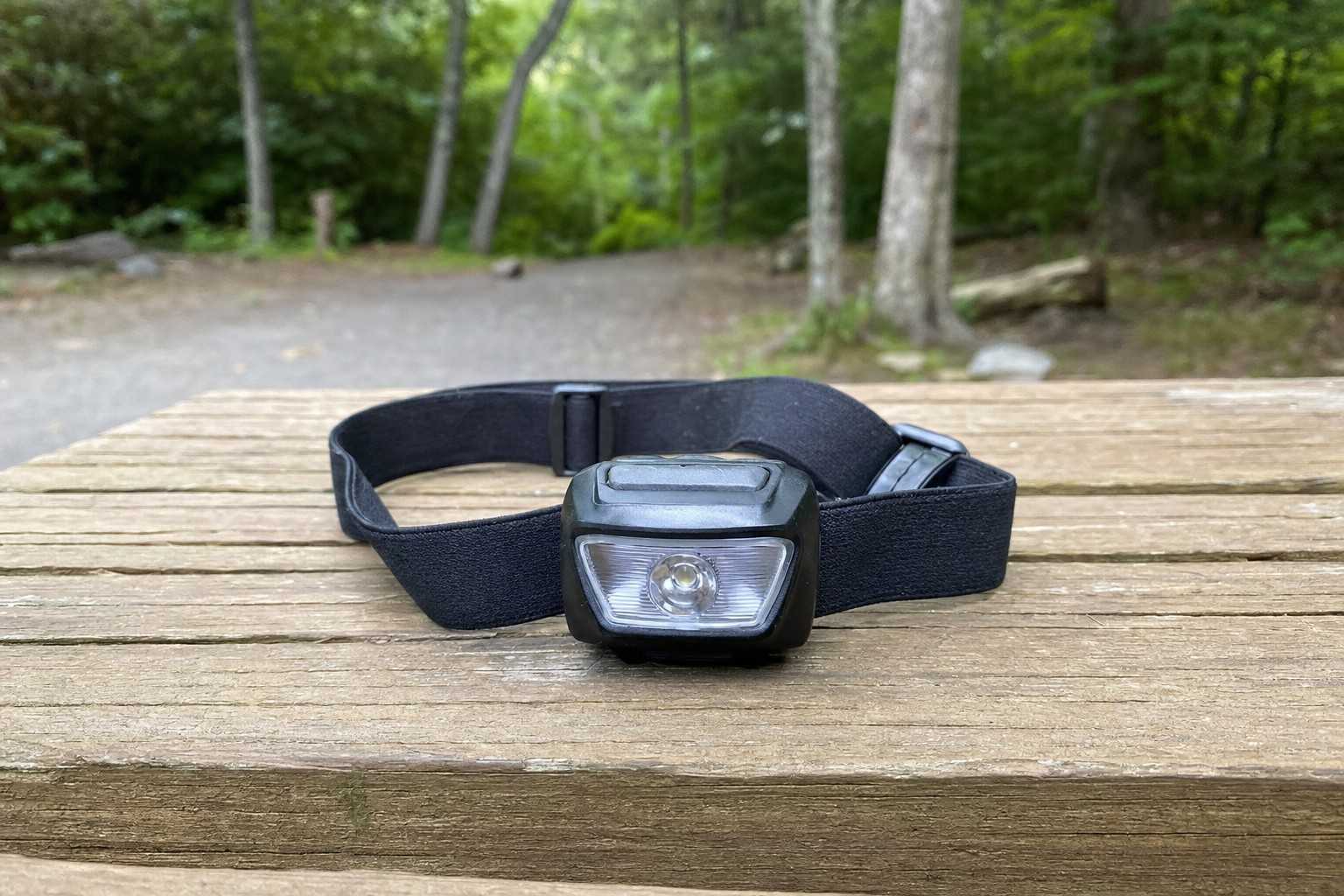
For most day hikers over 50, the best pick is the Black Diamond Spot. It is bright enough for any trail, has simple controls that work with cold hands, and a red mode to save your night vision. If you just want a cheap backup for the bottom of your pack, a basic budget headlamp does the core job too.
The picks are first, then how to choose and when you can skip it.
BackpackJudge is reader-supported. We may earn a commission from purchases made through the links on this page, at no extra cost to you.
Best overall: Black Diamond Spot
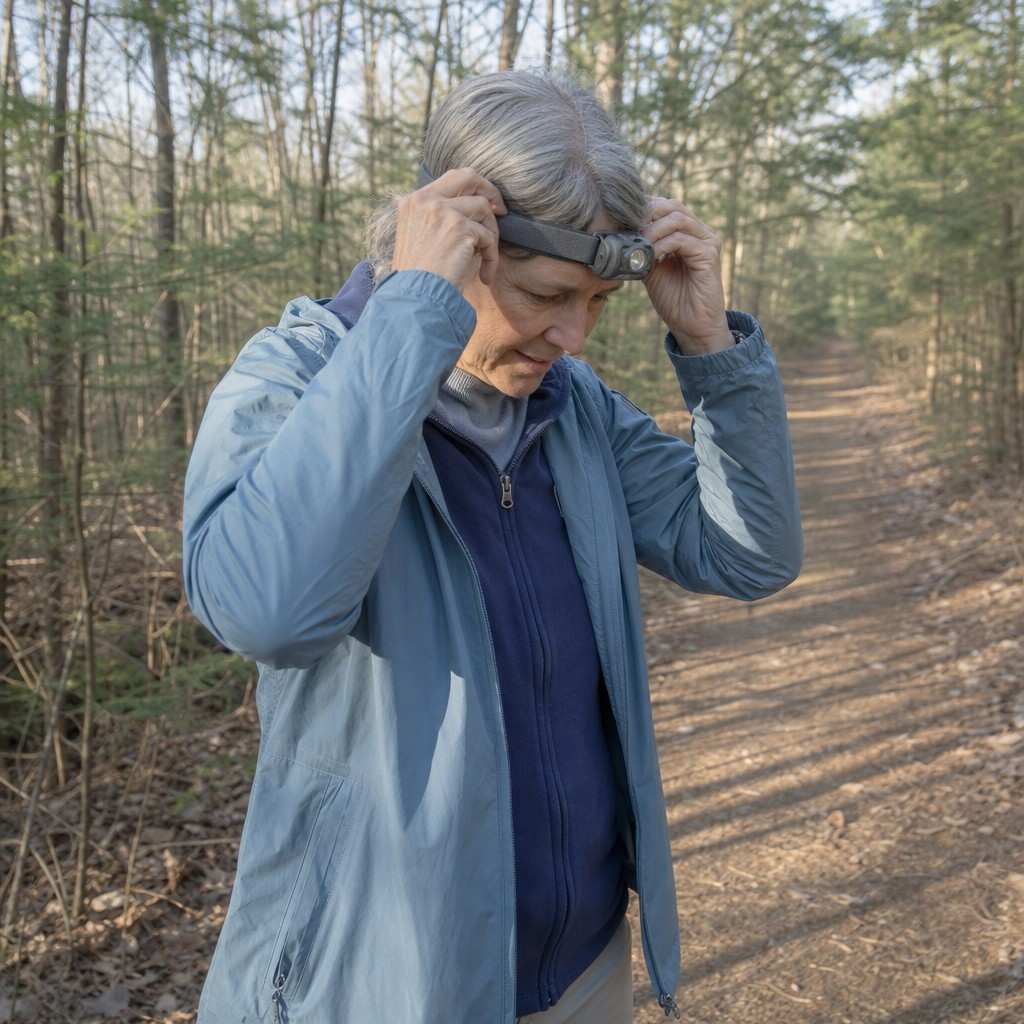
Bright, rechargeable, and simple enough for cold hands.

This is the headlamp most day hikers should buy. The beam dims down for close work like reading a trail map and turns up when you need to see further down the path. It has the red night-vision mode, the controls are easy to run without looking, and it has been the mainstream go-to in this category for years because it does the basics well without overcomplicating them.
For a day hiker, that is the whole job. You are not lighting a ridgeline, so there is no reason to pay for a beam built to.
Best budget pick
A cheap safety net you will barely notice in your pack.
If you are not sure how often you will actually use a headlamp, start cheap. A simple budget LED headlamp with straightforward controls and enough output for a dark trail will light the path so you can finish safely.
You give up the refinements of a pricier rechargeable model, and most budget lights run on AAA batteries rather than a USB charge. For the rare hike that runs long, that trade is fine.
Best for longer or darker hikes
More reach when the trail turns truly dark.
Some hikers push further than a quick loop, or walk routes with long stretches of tree cover that go dim well before sunset. For that, look at a higher-output rechargeable headlamp with a wider beam and a longer runtime on its brightest setting, so you are not guessing whether it lasts the walk back to the car.
What to look for in a day-hiking headlamp
If none of the picks fit, here is what actually matters when you compare your own options.
Brightness. A few hundred lumens is plenty for a day hiker. That lights the trail, a root, and a map. More than that is weight and cost you do not need.
Rechargeable or AAA. A rechargeable light means one less battery to stock and a USB top-up at home. An AAA light means you can swap in spares from any drugstore on the trail. Neither is wrong.
Weight and comfort. You only need it for an emergency final stretch, so a light, low-profile lamp beats a bulky one with a battery pack on the back of the head.
A red-light mode. Red light saves your night vision and does not blind whoever you are hiking with, or wake the car at a dark trailhead.
Simple controls. One button with a predictable order of settings beats six modes buried in a menu, especially for cold or arthritic hands.
Water resistance. You are not swimming with it, but a rating for rain or heavy mist means a damp trail is a non-issue.
When you can skip it
You do not always need to buy one. If you only ever hike short, well-marked loops that finish hours before sunset, and you always carry a phone with a working flashlight, that phone light will cover a five-minute surprise at the trailhead.
The line to watch is a full descent in the dark. A phone held in one hand is not enough to pick your way down uneven ground safely, and that is exactly when a headlamp earns its small weight.
Bottom line
For most day hikers over 50, the rechargeable mid-brightness pick is the easy answer. It covers the trail, the map, and the walk back to the car without asking you to think about batteries.
Go with the budget pick if you just want a cheap backup in the bottom of your pack for the rare hike that runs long. Either way, the goal is the same: a small light that turns a rushed, tired last mile into an ordinary one.