Two miles from the trailhead, an easy loop hike quietly turns into a hard one.
A hiker in his late fifties has kept a steady pace all morning. Flat sections, a gentle climb, a long break at the overlook. His legs feel fine.
Then the trail turns back toward the car.
Within twenty minutes, the same grade that felt easy an hour ago is stopping him every few minutes. He spent his energy getting to the far point of the hike, and there is nothing left for getting home.
This is the return leg fade. It catches careful, fit hikers as often as it catches anyone else, because most people plan a hike around getting somewhere. Few plan for the trip back.
The fix isn’t more fitness. It’s pacing the outbound leg well and knowing exactly when to turn around, before the return trip becomes the hard part of the day.
Set a pace you could hold a conversation at

The easiest pace check on a trail doesn’t need a watch or an app.
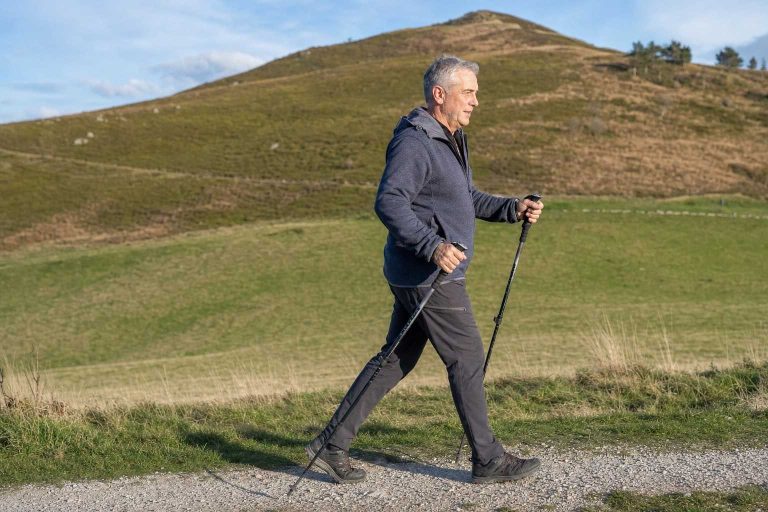
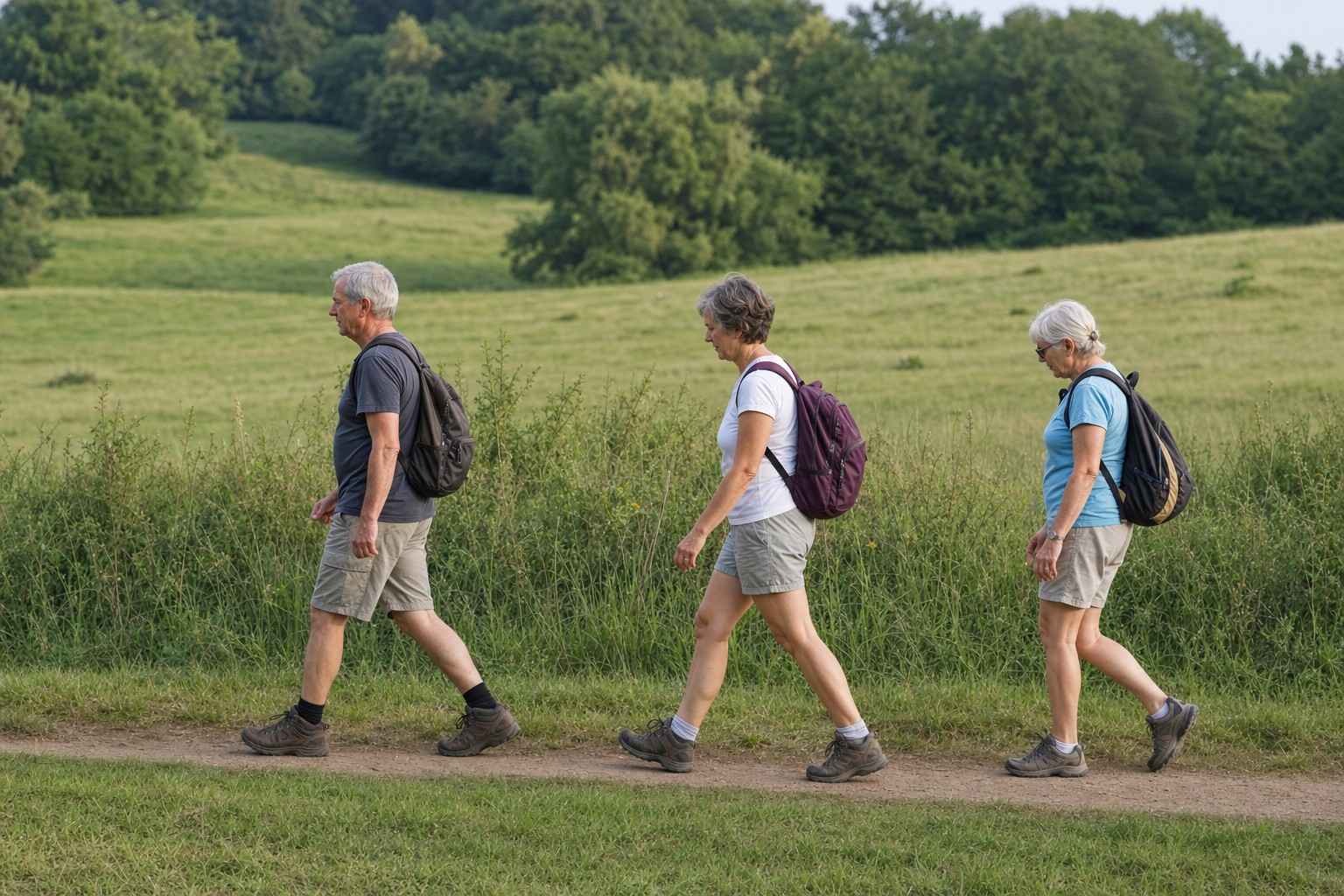
According to the National Park Service, a good rule of thumb is that if you can talk while walking, you’re traveling at the right pace.
That check matters most on the way out, not just the way back. A hiker who pushes hard early, racing toward a viewpoint or a landmark, burns through reserves the return trip will need later.
Breathless is a warning sign, not a badge.
Building this pace habit early is part of what a structured first month of hiking is designed to teach. So is learning to read your own fatigue signals before they turn into problems.
A pace that lets you talk in full sentences is a pace you can sustain for the whole hike, not just half of it.
Plan rest breaks before you need them
A day hike almost always takes longer than the mileage alone suggests.
According to the American Hiking Society, add roughly an hour of hiking time for every 1,000 feet of elevation gain. A mixed group also moves at the pace of its slowest member.
Building rest breaks into that estimate, rather than adding them once someone is already struggling, keeps everyone’s energy on the same track.
Water belongs on a fixed schedule too, not a reactive one. Drink one liter of water per two hours of hiking, on schedule not when thirsty. Waiting until you feel thirsty means the deficit already started, and it’s harder to close on tired legs than on fresh ones.
Water on a schedule beats water on demand, especially once you’re already tired.
A trail’s official halfway point is fixed. It doesn’t know how hot the day is, how much water is left, or how well you slept the night before.
A short list of what planned actually looks like on the trail:
- Rest for a few minutes every hour, even if nobody asks for it.
- Eat something before the climb starts, the way the snack and hydration timing for older beginners recommends, not once energy has already dipped.
- Check your remaining water and daylight at the far point of the hike, not just at the end.
The 50 percent energy turnaround rule
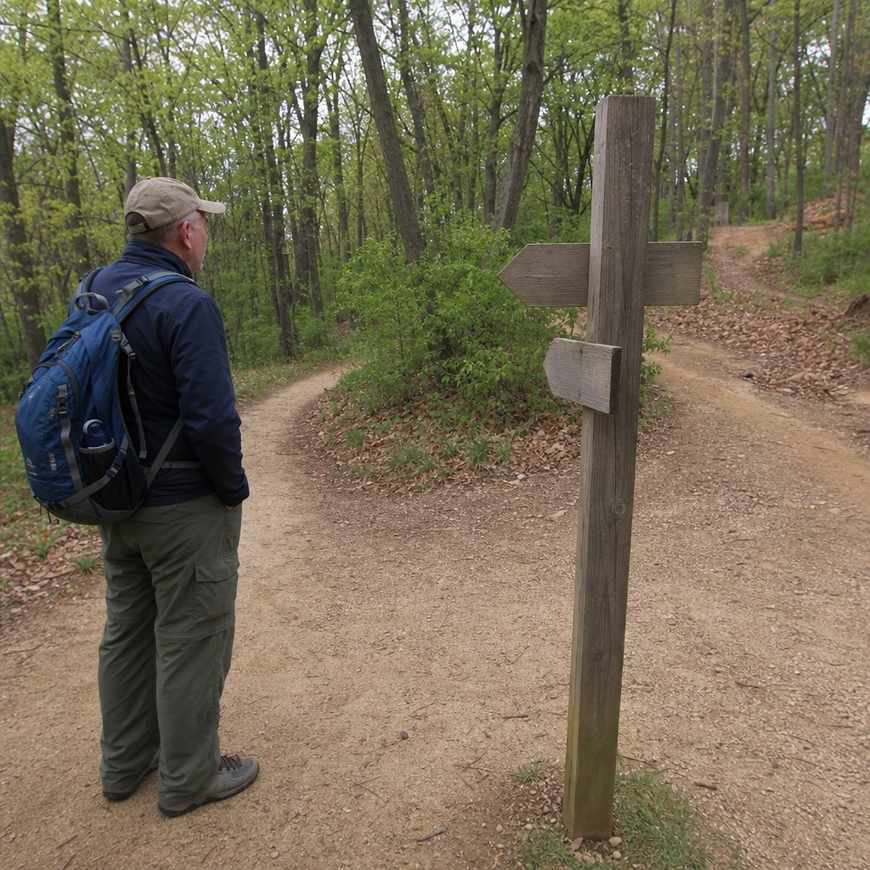
The most common turnaround mistake confuses two different landmarks: the midpoint of the trail and the midpoint of your energy. They are rarely the same place.
A trail’s official halfway point is fixed. It doesn’t know how hot the day is, how much water is left, or how well you slept the night before.
Waiting until you feel tired is just as unreliable. Fatigue is a lagging signal. By the time you notice it, you have already spent more than half your reserves.
Fatigue is not a straight line. The first half of a hike often feels deceptively easy, especially on a cool morning with fresh legs.
Turn around at 50% energy, not when you’re tired. The return hike requires equal effort.
The return trip covers the same distance and often the same climbing, now with tired legs carrying the load. That is a harder task than the outbound leg, not an easier one.
At 50 percent energy, a hiker can usually say all of the following are still true:
- Breathing is still easy at a normal walking pace.
- Water and snacks have been on schedule, not running low.
- Repeating the distance already covered feels realistic, not daunting.
If any of those is false, the turnaround point already passed, whatever the map says about the trail’s actual halfway mark.
Why the way back feels different from the way out
Picking a trail with elevation and distance that match where you’re starting from makes this whole system easier to apply. The numbers involved stay small enough to judge accurately.
Fatigue is not a straight line. The first half of a hike often feels deceptively easy, especially on a cool morning with fresh legs.
The second half asks the body to do the same work with less in reserve. That is why the return leg is where most bad decisions get made, not the outbound leg.
The second half of a hike asks for more, not less, exactly when you have less to give.
Pacing well on the trail also reduces the joint strain and overuse risk that turns one hard hike into several days of poor recovery. The guidance on rest days between hikes covers how much time that recovery typically needs.
How to use this on your next hike
Decide your turnaround check before you start, not in the moment on the trail.
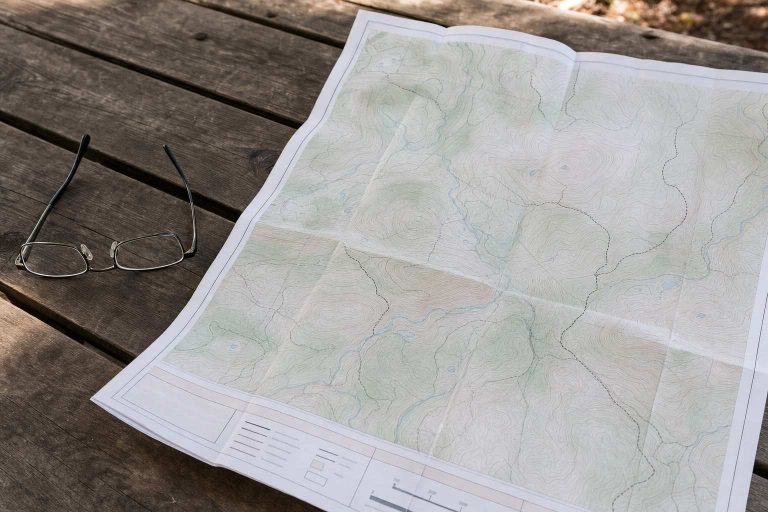
- Pick a specific checkpoint: a landmark, a set time, or an energy gut check, whichever comes first on the route you’ve planned.
- Write it down somewhere you’ll actually see it, even a single line in your phone’s notes app.
- When you reach it, stop for a minute and run the energy check honestly, not hopefully.
If the honest answer says less than half your energy is left, that’s the signal to turn back. It doesn’t matter what the map marks as the halfway point.
A decision made at the trailhead holds up better than one made mid-hike. At the trailhead you’re fresh and thinking clearly. Three miles in, you’re tired and still want to keep going.