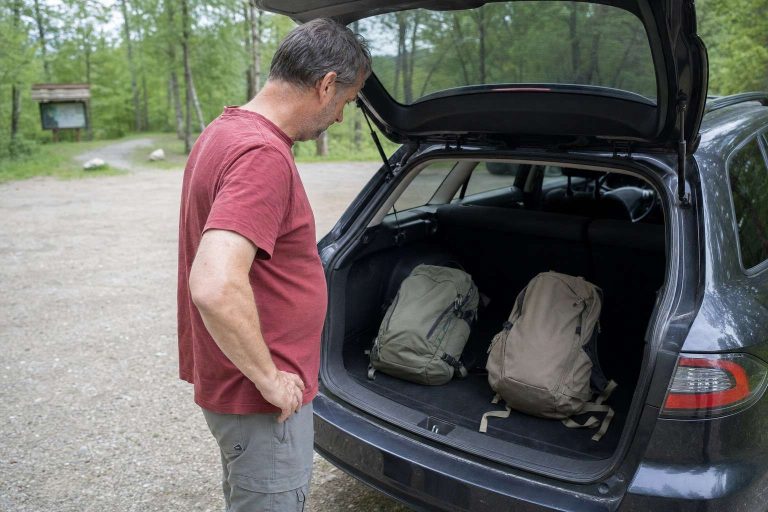

You packed for sunshine. The sky had other plans.
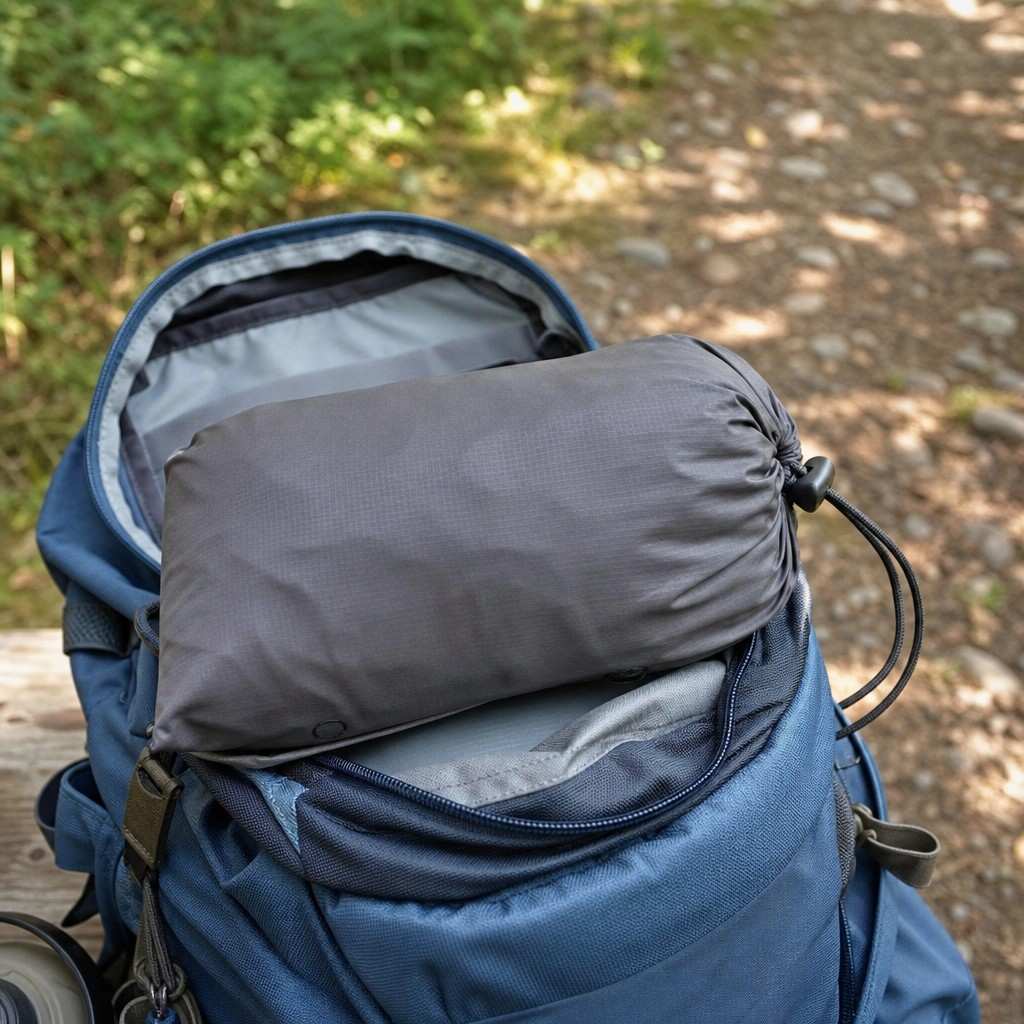
A packable rain jacket is the answer. It folds down small, lives in the bottom of your daypack, and comes out the moment clouds roll in.
You have already decided you want one. This guide helps you pick the right one fast.
Most day hikers do not need a heavy mountaineering shell. You need something light, breathable enough to wear while moving, and small enough that you forget it is there until you need it.
What Actually Matters
A few things separate a good packable shell from a frustrating one.
Packed size. It should stuff into its own pocket or a stuff sack and disappear into your pack.
Breathability. Cheaper jackets trap sweat. Pit zips (vents under the arms) help a lot when you are climbing.
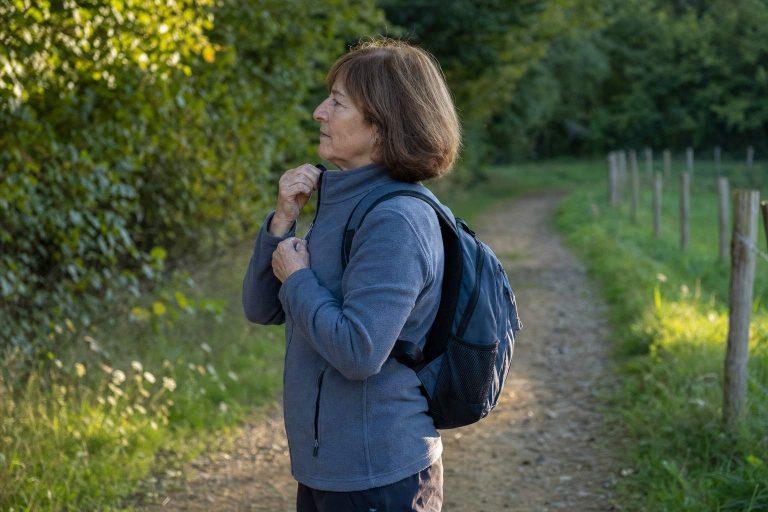
Fit. You want room to wear a fleece underneath without feeling shrink-wrapped. A relaxed cut beats a slim athletic one for most of us.
Hood and cuffs. An adjustable hood and simple Velcro cuffs keep water out without fuss.
That is the whole checklist. Now the picks.
Best Overall
Pick: a mid-range hooded shell with pit zips.
This is the sweet spot for most day hikers. A light nylon or polyester shell with a waterproof coating, taped seams, and underarm vents handles real weather without cooking you on the climb.
Brands like Marmot, Outdoor Research, and REI Co-op all make jackets in this class. You can compare a range of packable rain jackets and look for taped seams plus pit zips in the description.
Get this one right and you rarely need anything else.
Best Budget
Pick: a simple coated-nylon rain shell.
You do not have to spend a lot to stay dry on a 3-mile loop. A basic waterproof shell with a hood and a chest pocket does the core job for far less money.
The trade-off is breathability. Without pit zips you will feel clammy on a hard climb, so unzip the front and slow down.
For occasional showers, a budget rain jacket is plenty. Frontline waterproofing matters more than the brand name here.
Best Ultralight and Most Packable
Pick: a minimalist wind-and-rain shell that stuffs into its own pocket.
If you mostly want insurance against a surprise shower, go as light as possible. These shells weigh almost nothing and crush down to the size of a fist.
You give up some durability and warmth. The fabric is thin, so it is better for short hikes than all-day downpours.
Still, for throwing in your pack just in case, an ultralight rain shell is the easiest one to carry and the one you are least likely to leave behind. It is the jacket that saves the day when the weather changes mid-hike and you are miles from the car.
Best for Steady Rain
Pick: a fully seam-taped jacket with a 3-layer feel.
Some days the rain just settles in. For that, you want a more serious shell. Look for fully taped seams, a stiffer waterproof membrane, and a hood that cinches snug around your face.
This kind of jacket costs more and packs a little larger. In exchange, it keeps you dry through hours of wet weather instead of soaking through in twenty minutes.
If your trails get real rain, a waterproof hiking jacket with sealed seams is worth the extra space in your pack.
Best Relaxed, Comfortable Fit
Pick: a roomy shell with a longer cut and easy closures.
Not everyone wants a trim, body-hugging jacket. A relaxed fit lets you layer a fleece underneath and move freely without the fabric pulling across your back.
Look for a longer hem that covers your hips, large zipper pulls you can grab with cold or gloved hands, and a hood that adjusts with one tug. These small things make a jacket easier to live with on the trail.
A comfortable, relaxed-fit rain jacket is often the one you actually reach for, which is the whole point. The same comfort-first thinking applies to what to wear under it.
Bottom Line
If you buy one jacket, make it the mid-range hooded shell with pit zips. It balances weather protection, breathability, and packed size better than anything else.
Going as light as possible, watching your budget, or expecting heavy rain shifts the answer. But for most day hikers, the everyday shell with vents is the one to stuff in your pack and forget about until you need it.