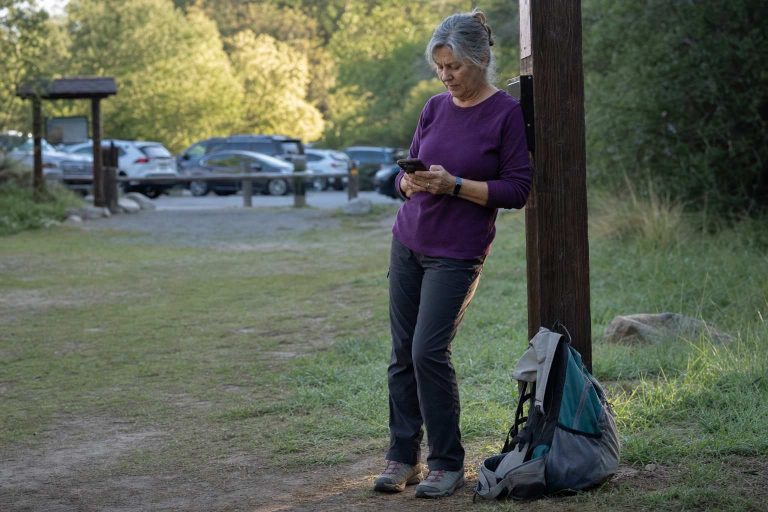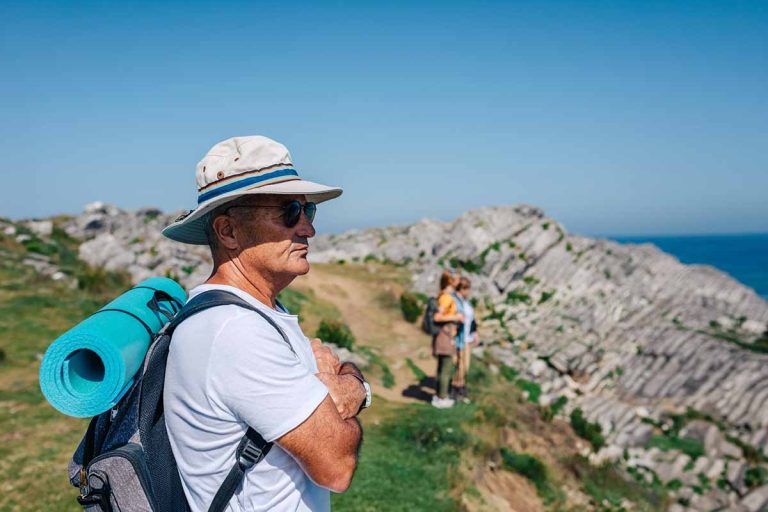
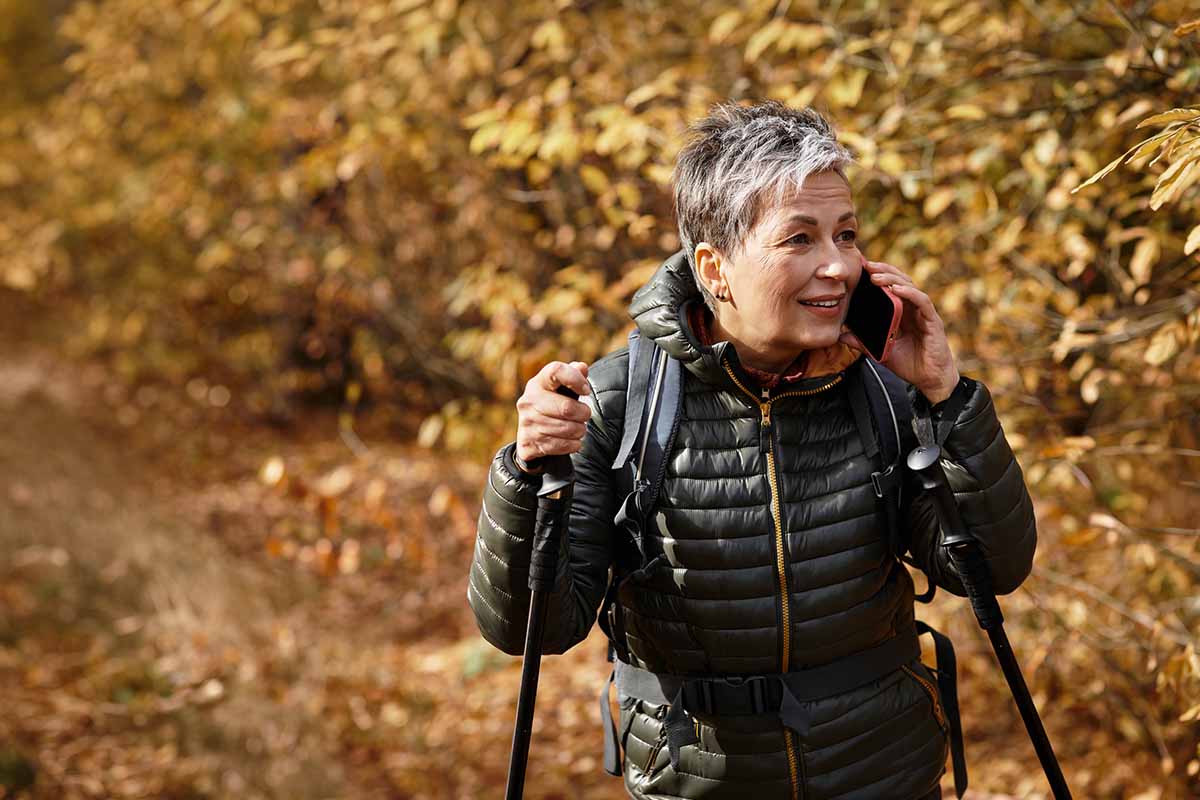
Solo hiking after 50 isn’t irresponsible. It’s one of the most empowering outdoor activities you can start.
This guide teaches a three-phase confidence-building system for adults new to hiking who want to enjoy trails independently, addressing age-specific considerations like recovery time and heat sensitivity while acknowledging the judgment advantages mature beginners bring.
Most solo hiking advice treats safety as a checklist. BackpackJudge teaches confidence-building through progression.
The Three-Phase Confidence System
By Trail 7, your safety protocols feel automatic instead of anxious.
Phase 1: Trails 1-3 (Foundation Building)
Your first three solo hikes establish that you can do this safely.
Trail criteria: Popular trails with excellent cell service, 1-2 hours maximum, under 300 feet of elevation gain. These aren’t “beginner” trails because they’re easy. They’re strategic choices that minimize risk while you build foundational confidence.
Start with trails under 300 feet of elevation gain for your first five hikes.
Safety protocol: Text a neighbor who’s home with a photo of the trailhead sign plus “Hiking Trail X, back by 2pm.” Text when you start. Text when you finish. Leave identical note on your car dashboard.
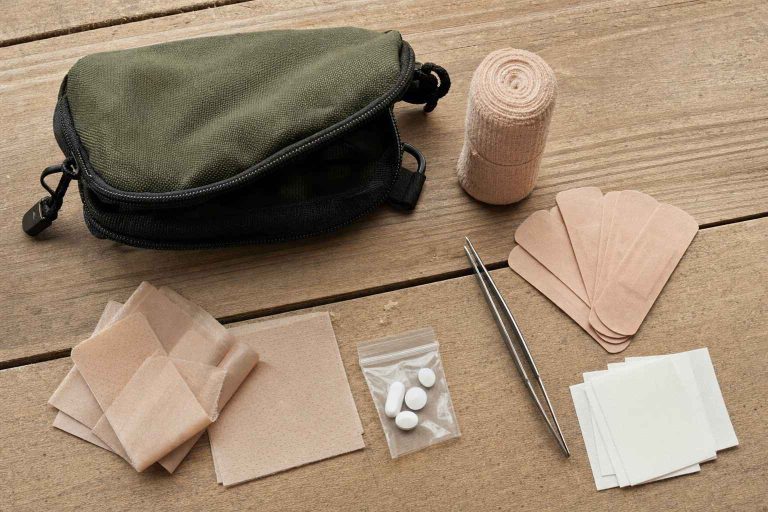
Minimal gear: Fully charged phone plus portable charger, water (one liter per two hours), basic first aid kit.
Psychological goal: Prove to yourself that your safety system works.
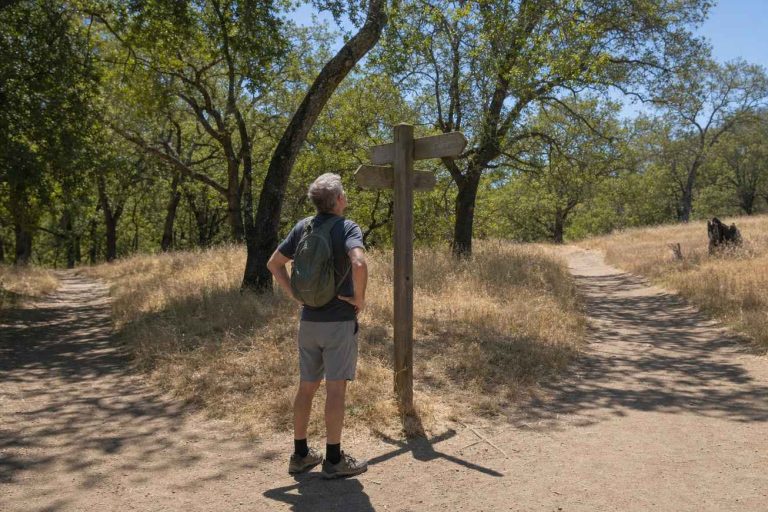
Choose trails where you’ll see other hikers regularly. Passing three groups per hour means help is accessible if needed. For trail selection guidance designed for mature beginners, check out How to Read Hiking Trail Difficulty Ratings.
Phase 2: Trails 4-6 (Expanding Independence)
After three successful solo hikes, you’ve proven your system works.
Trail criteria: 2-3 hours, still popular with good cell coverage, up to 500 feet elevation gain.
Safety protocol refinement: Your “Tell Someone” system becomes automatic. Test your emergency gear on these hikes. Use your whistle once to hear how it carries. Turn on your headlamp to verify battery strength.
Gear additions: Whistle (louder than yelling, requires less energy), headlamp (essential if delayed past sunset), extra food, emergency blanket (weighs 3 ounces).
Turn around at 50% energy, not when you’re tired. The return hike requires equal effort.
Psychological goal: Build confidence in your expanded protocols. You’re not just hiking. You’re testing systems that enable broader trail access later.
Phase 3: Trail 7+ (Confident Solo Hiking)
By Trail 7, safety protocols feel natural rather than anxiety-driven. You’ve internalized when to turn back, how much water you actually need, and your realistic pace on different surfaces.
Trail criteria: Expand your range while maintaining smart protocols.
Technology consideration: Garmin InReach devices ($15/month service) enable texting from anywhere. Not necessary for Phase 1-2, worth considering for Phase 3 expansion into areas beyond cell coverage.
Psychological milestone: Solo hiking becomes regular practice with automatic safety habits.
Essential Gear: Priority Tiers
Generic gear lists overwhelm beginners. This tiered system teaches you to evaluate what matters and when.
Tier 1 (Never Skip):
- Fully charged phone plus portable battery pack
- Water: one liter per two hours of hiking
- Basic first aid: blister treatment, athletic tape, pain reliever, personal medications
Tier 2 (Strong Recommendation):
- Whistle attached to pack strap (three short blasts = distress signal)
- Headlamp with fresh batteries
- Extra food beyond your planned hike duration
- Emergency blanket (3 ounces, prevents hypothermia if injured)
Tier 3 (As You Progress):
- Garmin InReach for trails beyond cell coverage
- Trekking poles (reduce fall risk, aid recovery if twisted ankle).
- See our guide to choosing trekking poles for joint support and stability.
Start with Tier 1 for Phase 1 hikes. Add Tier 2 items during Phase 2. Tier 3 gear addresses specific needs as your hiking range expands.
Age-Specific Solo Hiking Realities
Adults over 50 face different solo hiking considerations than younger hikers. Not limitations, but factors requiring smart adaptations.
Recovery takes longer. An ankle sprain at 55 heals slower than at 25. This makes solo injury scenarios more serious, which is exactly why Phase 1 keeps you on popular trails with cell service. Your slower recovery time doesn’t prevent solo hiking. It informs your trail selection strategy.
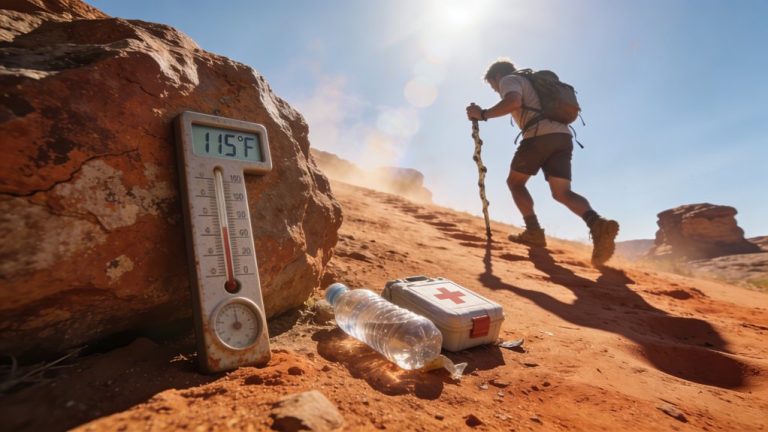
If temperatures will exceed 85°F during your hike, reschedule. Heat safety outweighs pushing through.
Heat tolerance decreases physiologically after 50, not just from fitness decline. According to the Wilderness Medicine Society, adults over 50 experience reduced heat tolerance due to decreased sweat response and cardiovascular changes. For detailed heat safety protocols including temperature thresholds and warning signs, learn more about hiking in hot weather safety rules.
Stable surfaces reduce fall risk by 60% for adults over 50, according to data from the American Hiking Society. When hiking solo, surface type becomes critical because falling alone carries higher consequences. Paved or packed dirt trails aren’t less adventurous. They’re appropriate risk management.
Your slower pace is smart risk management, not weakness. Taking 2.5 hours for a trail younger hikers finish in 90 minutes means you’re watching footing carefully, staying hydrated on schedule, and making deliberate decisions.
Adults over 50 bring advantages younger hikers lack: patience, realistic self-assessment, and thorough preparation.
For Women Over 50: Additional Considerations
Many women over 50 report feeling safer on popular day hikes than in urban parking lots or city parks. Trail safety statistics support this perception. Violent incidents on maintained day-hike trails remain extremely rare compared to urban crime rates.
Practical confidence-building: Start with popular trails during daylight hours (8am-4pm). Greet other hikers confidently. Brief acknowledgment establishes you’re alert and engaged.
Trust your gut absolutely.
If a situation feels uncomfortable, turn back immediately without second-guessing. Pepper spray provides psychological confidence for some women, though most never use it. If carrying spray helps you start solo hiking, bring it. Ensure it’s designed for bears (stronger than personal defense spray) and accessible on your hip belt.
Women’s hiking groups serve as stepping stones. Scout trails with groups first, then return solo once you know the route. You’re not using the group as permanent support. You’re gathering intelligence that enables independent hiking later.
Common Fears Addressed
“What if I get injured and can’t walk?”
This is exactly why Phase 1 limits you to popular trails with excellent cell service. You can call for help. Other hikers pass regularly. Emergency services can reach maintained trailheads quickly.
“Am I being irresponsible at my age?”
Counter-question: Who’s more responsible? The 55-year-old with emergency gear, regular check-ins, and conservative turnaround times, or the 25-year-old assuming nothing will go wrong? Your age brings better judgment, not increased recklessness.
By Trail 7, your safety protocols feel automatic, not anxious.
“Should I wait to find a hiking partner?”
Partners are great when available. But waiting for aligned schedules means not hiking at all for many people. Solo hiking lets you go when weather is ideal, not when someone else is free.
“What if I look foolish carrying emergency gear on a 2-mile hike?”
Smart preparation never looks foolish to people whose opinions matter.
On-Trail Awareness Without Paranoia
Leave headphones at home. You need to hear approaching hikers, wildlife movement, and environmental changes.
Greet other hikers briefly. “Morning” or quick nod establishes you’re alert and engaged. You’re not seeking friendship. You’re demonstrating presence.
Hike during daylight hours. Start early enough to finish before sunset even if delayed. Night hiking alone requires different skill sets better developed after 20+ successful day hikes.
Trust your gut immediately. If something feels wrong (a person’s behavior, weather changing, unusual fatigue), turn back without overthinking.
Building Your Solo Hiking Practice
Start your first solo hike this week, not after more research.
Choose a popular 2-mile trail with excellent cell service. Text someone your plan. Bring water and a charged phone. Walk. Notice how capable you are.
Your second solo hike happens within 7-10 days while confidence is fresh. Same criteria: popular, short, good cell service. You’re establishing patterns, not testing limits.
By Trail 7, you’ll know your pace, your water needs, and your comfortable turnaround point. Solo hiking has become regular practice instead of anxiety-provoking experiment.
The three-phase system isn’t about age limitations. It’s about building genuine confidence through systematic progression that respects your capabilities while acknowledging real risks. Adults over 50 who start hiking solo often become the most consistent, prepared hikers on any trail.
Solo hikers need to be especially aware of injury prevention because help isn’t immediately available. Our common hiking injuries over 50 guide covers the most frequent issues and specific prevention strategies that reduce your need for rescue.