Your metabolism slows after 50, burning fewer calories and processing nutrients differently.
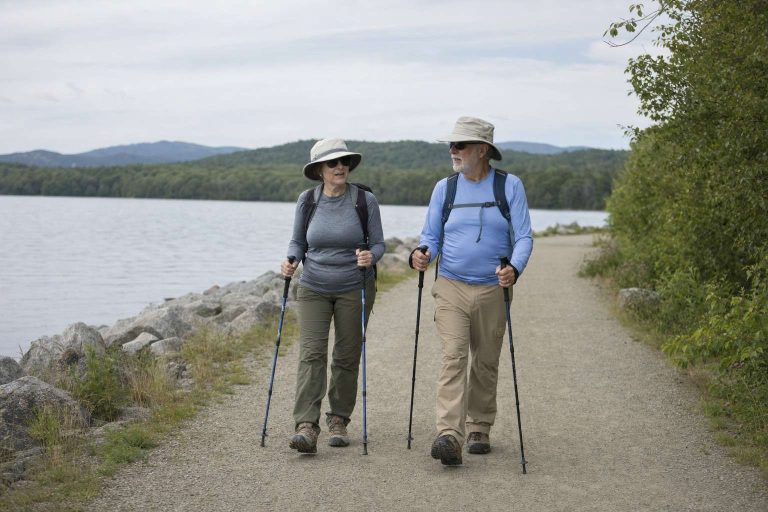
This guide covers essential snacking timing, hydration schedules, and energy pairing strategies for sustained trail performance. We focus on adults 40-70 new to hiking, with age-specific nutrition adjustments.
We prioritized real-world trail conditions and older-adult physiology over generic advice.
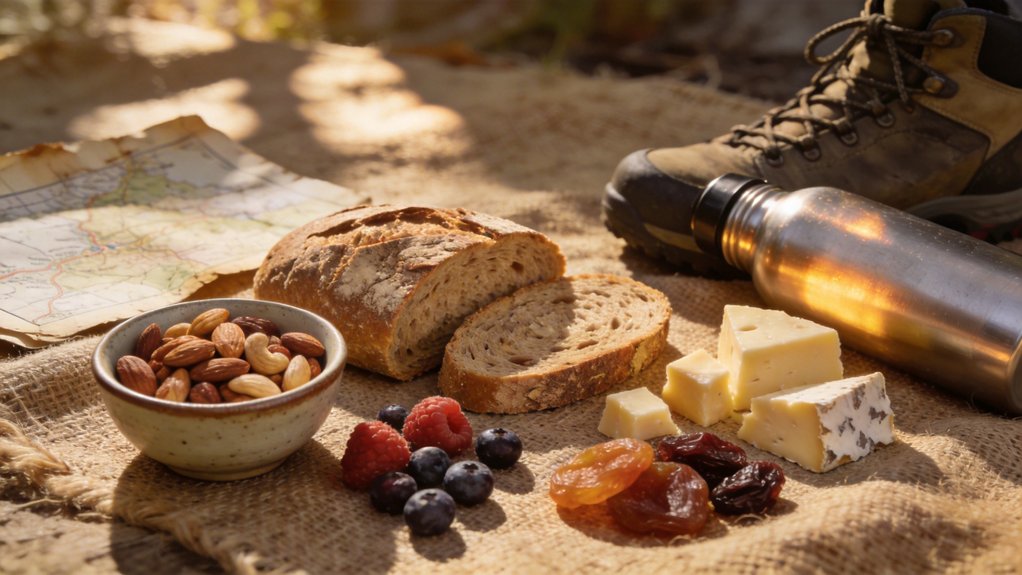
After 50, eat nutrient-dense snacks every hour, nuts, protein bars, dried fruit, before hunger arrives. Drink one liter of water every two hours on a fixed schedule; your thirst signal weakens with age. Skip high-sugar options that crash energy and melt in heat. Pair carbs with protein for steady fuel. Turn around at 50% energy to maintain balanced effort and safe return.
Your Body at 50+: Why Fueling Works Differently on the Trail
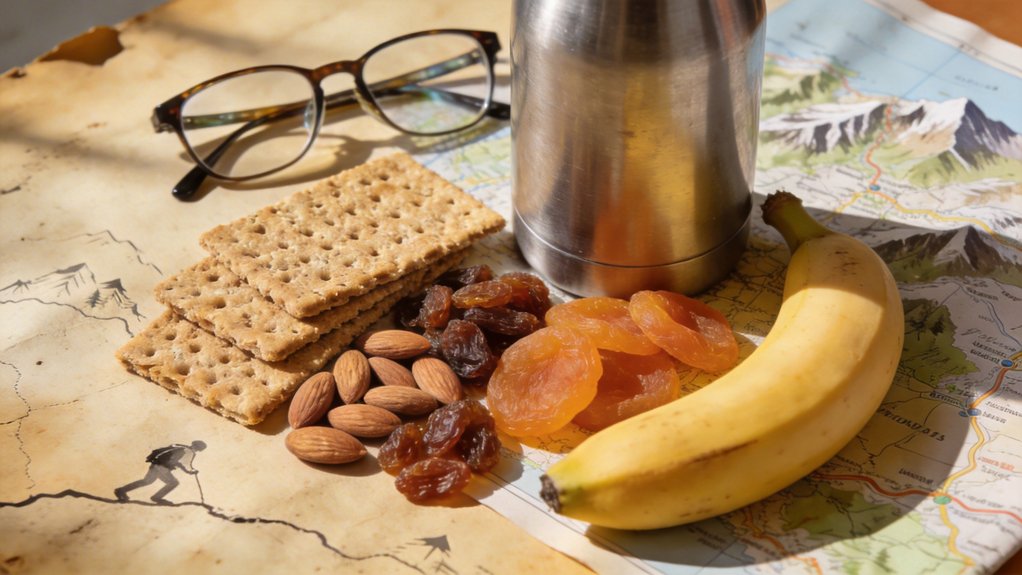
Your metabolism has shifted since you were thirty. You burn fewer calories now, which means you need nutrient-dense hiking snacks, not just more food. Your muscles require extra protein to recover and rebuild, making protein bars and nuts essential trail companions.
Your thirst response has dimmed with age, so you won’t feel dehydrated until it’s serious. Drink one liter of water per two hours of hiking, on schedule not when thirsty. This prevents the dangerous gap between feeling fine and actual dehydration.
Your digestion is more sensitive than it was at thirty. Combine fiber-rich snacks with easily digestible options to prevent stomach trouble on the trail. Space out heavier foods across your hike rather than eating large amounts at once.
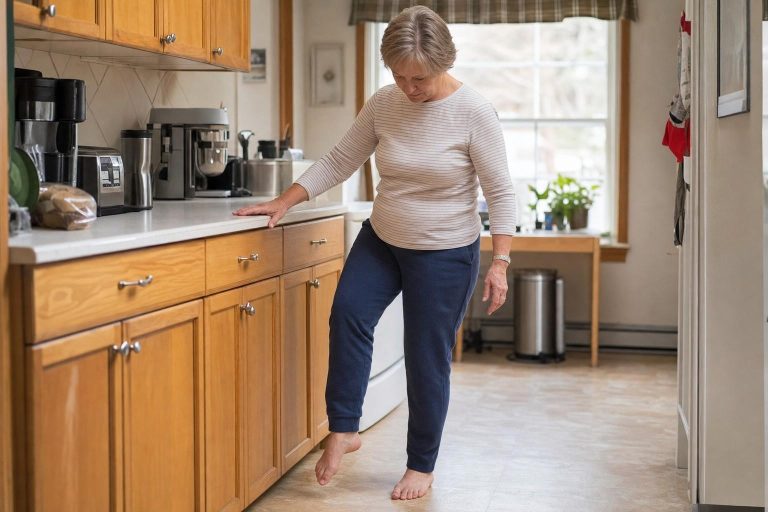
Joint recovery takes longer now. Adults over 50 should allow 48-72 hours between hikes while building initial fitness. Your knees and ankles need time to rebuild connective tissue after climbing and descent stress.
Heat regulation also changes with age. You may overheat faster on sunny trails, even at moderate temperatures. Hike during cooler parts of the day and watch for dizziness or unusual fatigue, which signal overheating before you feel obviously hot.
These changes aren’t limitations. They’re signals telling you exactly what fuels your energy and keeps you safe on the trail.
How Much Snack Calories You Actually Need Per Hike
Most hiking snacks fail because they’re either too heavy or too light for what your body actually needs on the trail. Aim for 200 calories per hour on moderate hikes. That’s roughly one energy bar or a handful of nuts with dried fruit.
Your body burns energy faster than you think, but your stomach can’t process unlimited food while moving. Adults over 50 should be especially aware that recovery between snacks takes longer, so consistent small portions prevent the energy crashes that derail beginners.
Drink one liter of water per two hours of hiking, on schedule not when thirsty. Drink 7-10 ounces of water every 10-20 minutes alongside snacking. This hydration pattern keeps your energy stable and prevents the crash that derails beginners.
Match your snacks to your hiking intensity, not your appetite. Adults 40-70 often experience different temperature regulation on the trail, meaning you may need to eat more frequently in cooler conditions when your metabolism works harder to maintain body heat.
Pay attention to how you feel at the halfway point, not just at the end.
Turn around at 50% energy, not when you’re tired. The return hike requires equal effort.
When to Eat: Fuel Before You Feel Hungry
Because your thirst response diminishes with age, so does your hunger signal. Waiting until you’re starving is a trap. Eat on a schedule, not on demand.
Snack every hour throughout the day on the trail. Small, frequent bites prevent energy crashes that slow you down and sap your enjoyment.
This matters because adults over 50 experience faster muscle fatigue when blood sugar dips, which affects both balance and recovery time.
Consume something before tackling a steep climb. Your body needs quick energy for the work ahead. Make sure you’re fueling steadily rather than waiting until ravenousness hits.
This approach keeps your energy steady and your mind sharp for the entire hike.
You’ll also reduce joint stress by maintaining stable energy levels. Fatigue causes poor form on descents, where most ankle sprains happen. Steady fuel means better foot placement and safer movement downhill.
Heat Changes Everything: Adjust Food and Water When It’s Warm
Heat stress hits older hikers harder. After 50, your body struggles to cool itself efficiently, and heat sensitivity increases. You warm up slower in cold weather and chill faster when wet, but hot days create the opposite problem: your body can’t shed excess heat fast enough.
Drink one liter of water per two hours of hiking, on schedule not when thirsty. This means 7-10 ounces every 10-20 minutes. Start with 4 cups before you leave. Waiting until thirst kicks in is too late. Your thirst mechanism weakens with age, so the schedule matters more than your body’s signals.
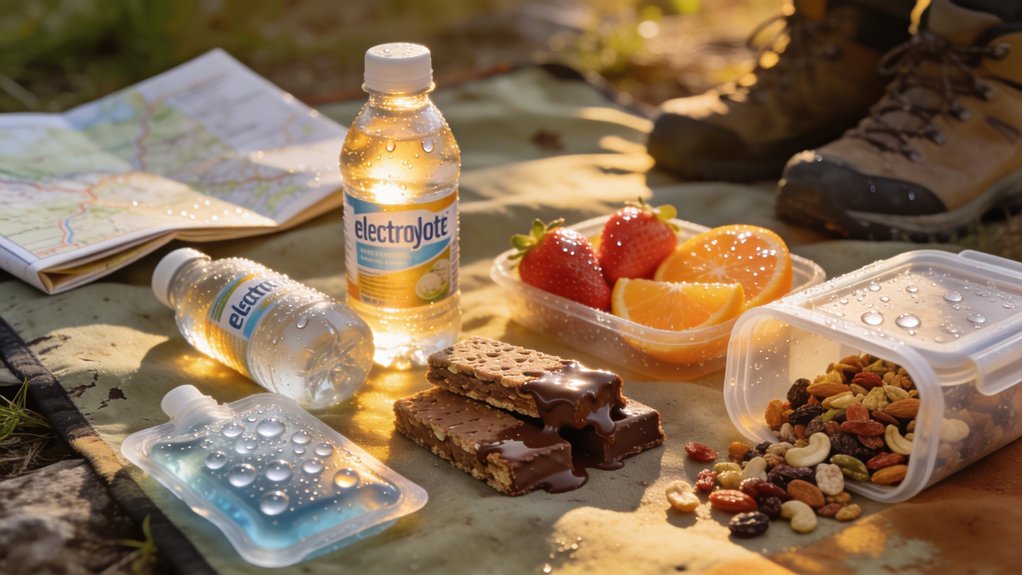
Skip high sugar snacks like chocolate. They melt in heat and cause energy crashes that stress your joints and slow your recovery. Pack dried fruit, boiled eggs, and energy bars instead. These travel well and sustain you longer without blood sugar spikes.
If temperatures will exceed 85°F during your hike, reschedule. Heat safety outweighs pushing through. Check the forecast before committing. Heat combined with joint strain and slower temperature regulation isn’t worth the injury risk.
Adults over 50 need 48-72 hours between hikes while building fitness. Heat exposure extends that recovery window.
Best Trail Snacks: High-Carb, Easy-Digest Options
Your snack choice matters more on the trail than at home. Your body burns energy faster outdoors, and your digestive system works differently at elevation. High-carb hiking snacks deliver quick fuel without weighing you down.
Energy bars and dried fruit provide rapid carbohydrate absorption. Your muscles need this fuel mid-hike. Honey Stinger chews offer immediate energy boosts. Sweet potato chips combine carbs with vitamins your body craves during physical exertion.
Nut butter packets add healthy fats and protein for sustained energy on longer hikes. This matters especially for adults over 50, whose muscles recover more slowly. The combination of carbs plus protein helps prevent joint stress from inadequate fuel during the return hike.
Oatmeal cookies maintain steady blood sugar without crashes. Pack easy-digestible options only. Your stomach works harder at elevation and processes food differently than it does at home.
Turn around at 50% energy, not when you’re tired. The return hike requires equal effort. Pack snacks you can eat while moving. Your heart and lungs need consistent fuel every 45 to 60 minutes on the trail.
Drink One Liter Per Two Hours: On Schedule, Not Thirst
Most hikers don’t drink enough water because they wait for thirst, and that’s the problem. Your thirst response weakens with age, so you won’t feel thirsty until you’re already dehydrated. Adults over 50 experience this more sharply, especially at higher elevations where your body’s temperature regulation becomes less efficient.
Your thirst response weakens with age: don’t wait to feel thirsty to drink water while hiking.
Drink one liter of water per two hours of hiking, on schedule not when thirsty. Take sips every 10-20 minutes to maintain hydration throughout your hike. This steady approach prevents the energy crashes that make descents harder on aging joints.
Your fluid intake directly affects energy and recovery. Heat demands more water. Altitude demands more water. Pair consistent drinking with hiking snacks for sustained performance.
This proactive approach prevents fatigue mid-trail and supports your body’s ability to recover properly between hikes. For adults over 50, proper hydration reduces muscle soreness and joint stress during the critical recovery window.
Allow 48-72 hours between hikes while building initial fitness so your body fully bounces back.