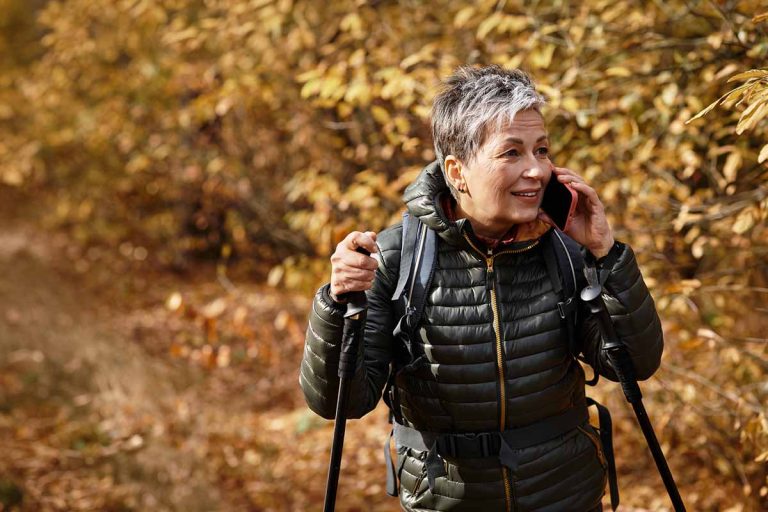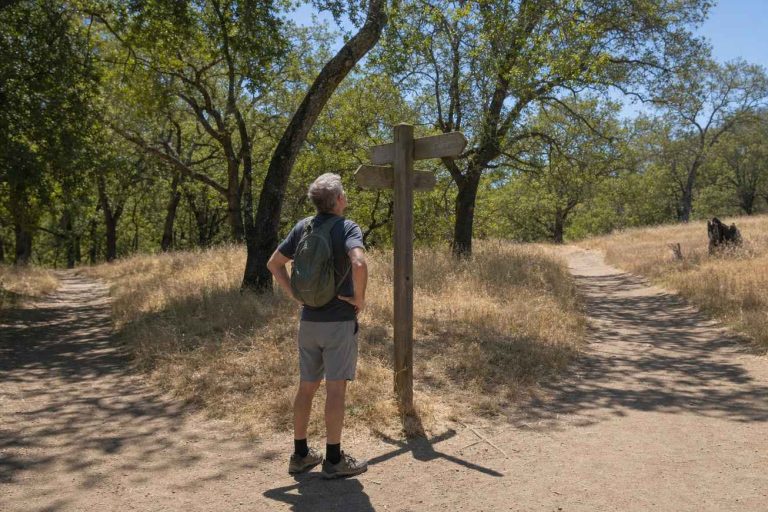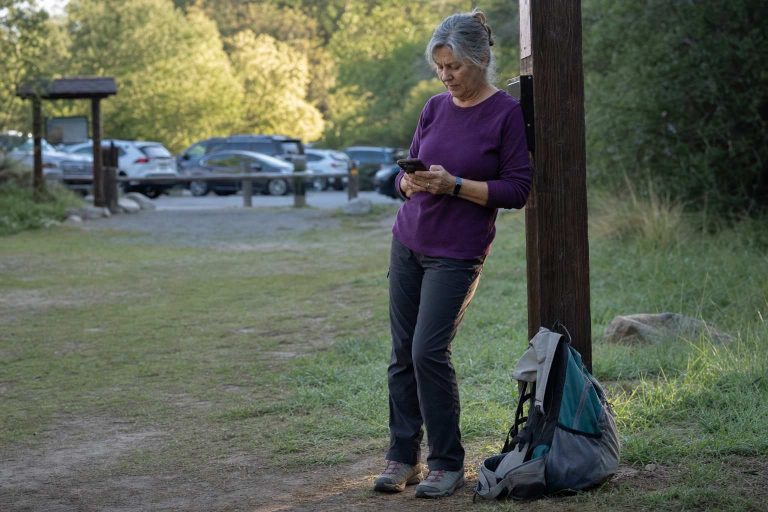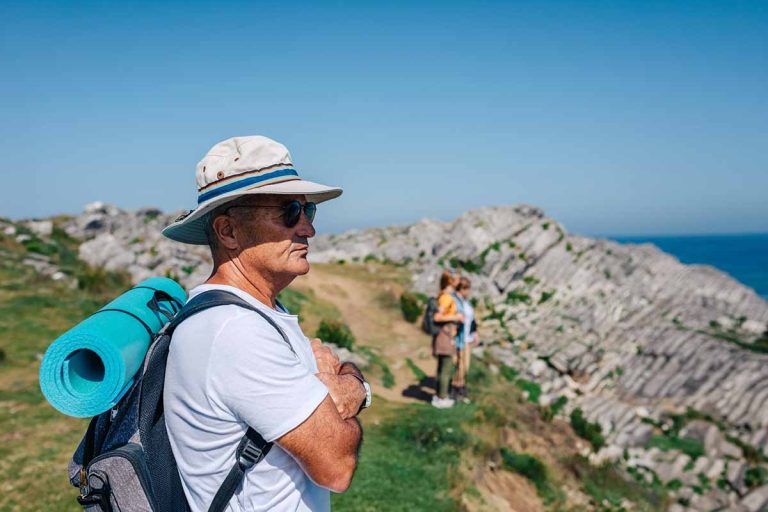
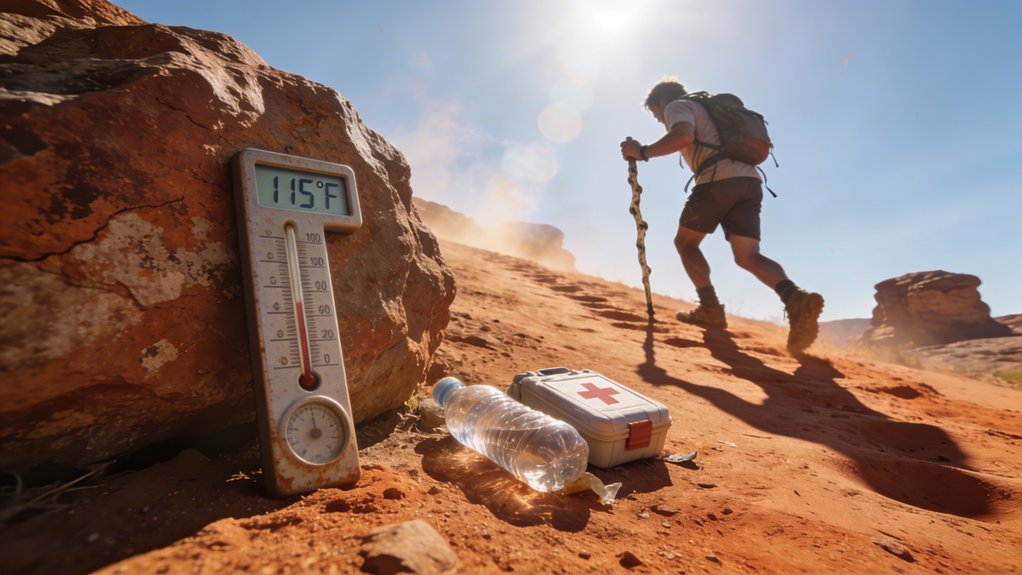
Adults over 50 face serious heat risks above 85°F (29°C). Body temperature regulation declines 25-40%, making heat exhaustion develop faster.
This guide covers safety thresholds, hydration schedules, and warning signs for hikers 40-70 new to summer trail conditions.
These recommendations come from Wilderness Medicine Society protocols, American Hiking Society heat safety guidelines, and emergency medicine data specific to midlife physiology.
Quick Answers
- Temperature threshold for hiking: Reschedule if temps exceed 85°F
- Hydration schedule: 1 liter per 2 hours, plus extra half-liter for descent
- Heat exhaustion signs: Pale skin, nausea, dizziness, excessive sweating
- Recovery time needed: 48-72 hours between hikes after heat stress
Reschedule When Heat Exceeds 85°F: Your Non-Negotiable Rule
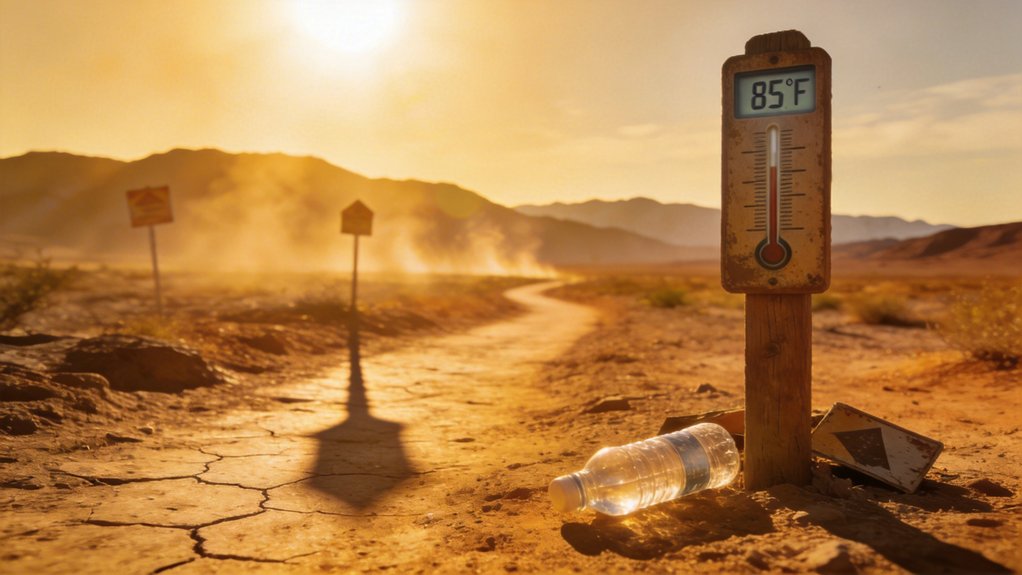
Heat-related illnesses become real risks at this threshold, especially for adults over 50 whose bodies regulate temperature 25-40% less efficiently than younger hikers.
According to the Wilderness Medicine Society, adults over 50 experience reduced sweat production and slower circulation response to heat. Your body can’t cool itself as effectively, meaning core temperature rises quicker and warning signs appear with less notice.
This isn’t overly cautious. It’s staying safe.
If temperatures will exceed 85°F during your hike, reschedule. Heat safety outweighs pushing through.
Your sweat glands produce less moisture after 40, and your thirst response weakens, creating dehydration risk you won’t feel coming until symptoms appear. Hike early morning or late evening when temperatures drop below 85°F.
Check weather forecasts the night before and again that morning. Temperature predictions change. One rescheduled hike beats heat exhaustion recovery by weeks.
Adults over 50 need longer recovery periods from heat illness, often 7-10 days before returning to normal activity levels. The 85°F rule protects your hiking consistency.
California’s heat patterns vary dramatically by region. Our California hiking safety guide covers state-specific heat and fire considerations.
Drink on Schedule, Not When Thirsty
Data from the American Hiking Society shows that thirst response lags 30-45 minutes behind actual dehydration in hot conditions. By the time you feel thirsty, you’re already behind on fluid intake.
Drink one liter of water per two hours of hiking, on schedule not when thirsty. Set a timer on your phone or watch if needed. Adults over 50 experience diminished thirst signals, making scheduled hydration critical for heat safety.
Carry at least one liter per two hours of expected hiking time, plus an extra half-liter for descent. Your downhill pace may be slower, especially on steep or rocky terrain, extending your water needs.
Your thirst response weakens with age, creating dehydration risk you won’t feel coming until symptoms appear.
Hydration packs designed for hot weather make scheduled drinking easier. The hose placement lets you sip on schedule without stopping to dig through your pack.
Add electrolyte packets to at least one liter. Plain water doesn’t replace sodium lost through sweat.
Spot Heat Exhaustion Signs and Cool Down Fast
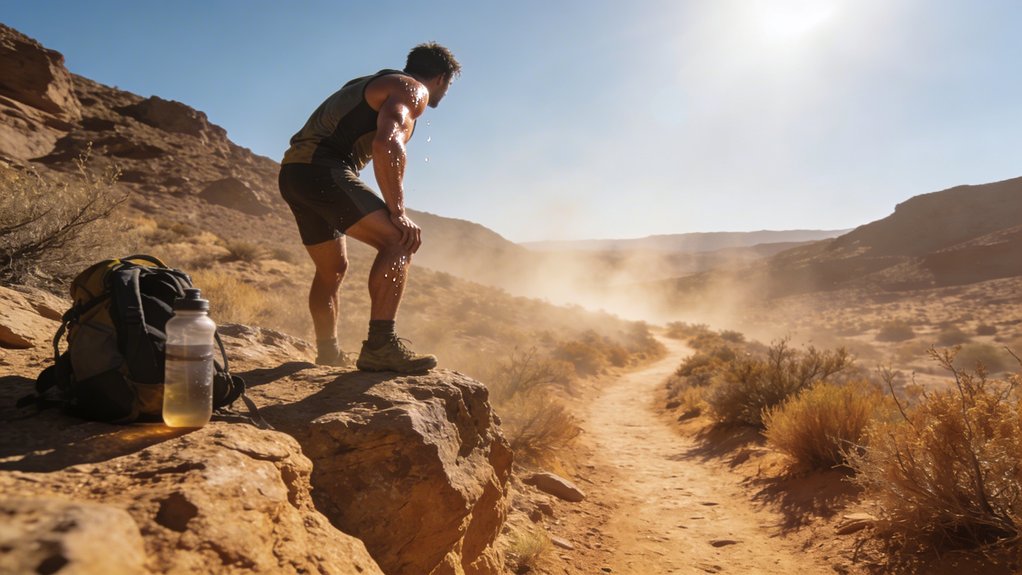
Watch for pale skin, nausea, cool moist skin, and headaches. These are your body’s distress signals telling you that hydration levels have dropped and core temperature is rising.
Stop immediately when you notice these symptoms.
Find shade and rest while you drink water with electrolytes. Cool your skin by applying water to your wrists and neck. Evaporation pulls heat from blood vessels close to the surface. Soak a bandana or cooling neck gaiter in water and wrap it around your neck for sustained cooling.
Research from the Journal of Outdoor Recreation indicates that core temperature rises 15-20% faster in adults over 50 during heat stress. Your body may not trigger thirst signals as quickly, and you won’t sweat as effectively to cool down.
Adults over 50 should allow 48-72 hours between hikes while building initial fitness.
Heat exhaustion won’t announce itself loudly. Catch it in the first few minutes, and you recover quickly with rest and fluids. Ignore the early signs, and heat stroke follows, a genuine emergency requiring immediate rescue.
Your body needs this recovery time after even mild heat exhaustion. Plan extra rest days before your next hike.
Menopause affects heat tolerance beyond general age-related changes. Our hiking through menopause guide covers specific adaptations for hot flashes, temperature regulation, and hydration strategies during hormonal transitions.
Stay Cool While Hiking: Fabric and Shade Matter
Getting wet actually helps, which seems backward. Water on your skin speeds cooling through evaporation. This matters because your body struggles to regulate heat naturally after age 50.
Moisture-wicking shirts in synthetic or merino wool move sweat away from your skin faster than cotton, which stays wet and heavy. The faster moisture spreads across fabric surface area, the faster it evaporates and cools you.
Rest in shaded areas frequently, especially between 10 a.m. and 4 p.m. when peak heat hits hardest. Carry a small spray bottle to mist your exposed skin. Focus on your forearms, back of neck, and face where blood vessels run close to the surface.
Wide-brimmed sun hats with neck coverage keep your head and neck shaded. Your scalp loses heat fastest when shaded but gains it fastest in direct sun.
Cool your body deliberately every 20-30 minutes, not just when you feel overheated.
Combined with consistent hydration, staying strategically wet becomes your best defense against heat sensitivity. The combination of reduced sweat production and slower circulation means you need every cooling advantage available.
Turn Back at Half Energy: Descent Safety in Heat
Your descent demands equal energy management because fatigue amplifies heat-related illness on the way down.
Turn around at 50% energy, not when you’re tired. The return hike requires equal effort, and hot afternoons punish late decisions.
Steep or uneven ground drains energy faster in hot weather. Most ankle sprains happen on descents, not climbs. Heat exhaustion makes you clumsier, reducing balance and proprioception when you need it most on rocky downhill sections.
If you feel dizzy, nauseated, or notice excessive sweating that suddenly stops, turn around immediately. These symptoms indicate your body is losing the battle with heat.
Plan descents for cooler times, before 10 a.m. or after 4 p.m. when possible.
Acclimate Gradually: Start Patient, Build Slowly
Heat acclimatization takes 10-14 days of gradual exposure. Start with shorter hikes in warm conditions, gradually increasing duration over 2-3 weeks. Your cardiovascular system needs time to increase blood volume and improve sweat response efficiency.
Start with trails under 300 feet of elevation gain for your first five hikes. Heat stress compounds cardiovascular demand from climbing. Build your heat tolerance gradually before attempting longer or steeper trails in warm weather.
Drink one liter of water per two hours of hiking, on schedule not when thirsty. Adults over 50 should allow 48-72 hours between hikes while building initial fitness. Your body needs this recovery time to strengthen its temperature regulation systems.
Monitor yourself closely for dizziness, nausea, or confusion. These are signs to stop immediately and find shade. Patient acclimatization makes summer hiking safer and more enjoyable than pushing through heat stress.
Monitor yourself closely for dizziness, nausea, or confusion. These are signs to stop immediately and find shade. Patient acclimatization makes summer hiking safer and more enjoyable than pushing through heat stress.
Seasonal timing affects heat exposure significantly. Our month-by-month guide to California hiking shows when different regions stay below the 85°F threshold.