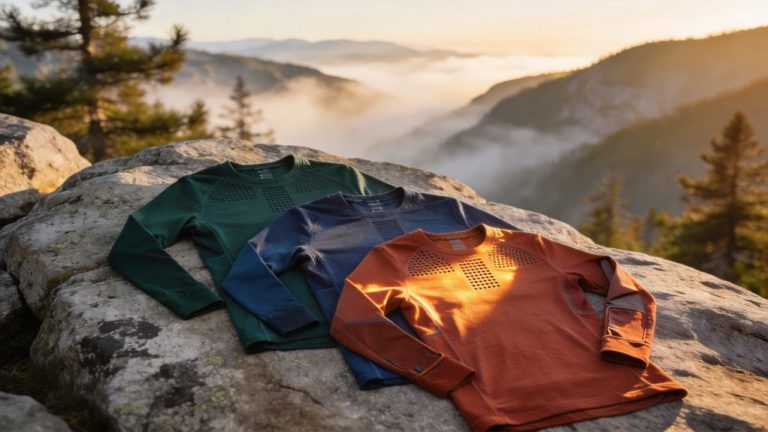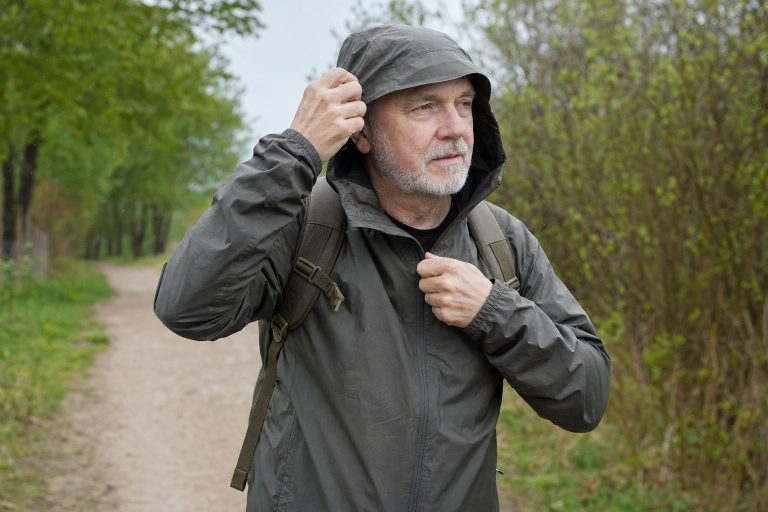
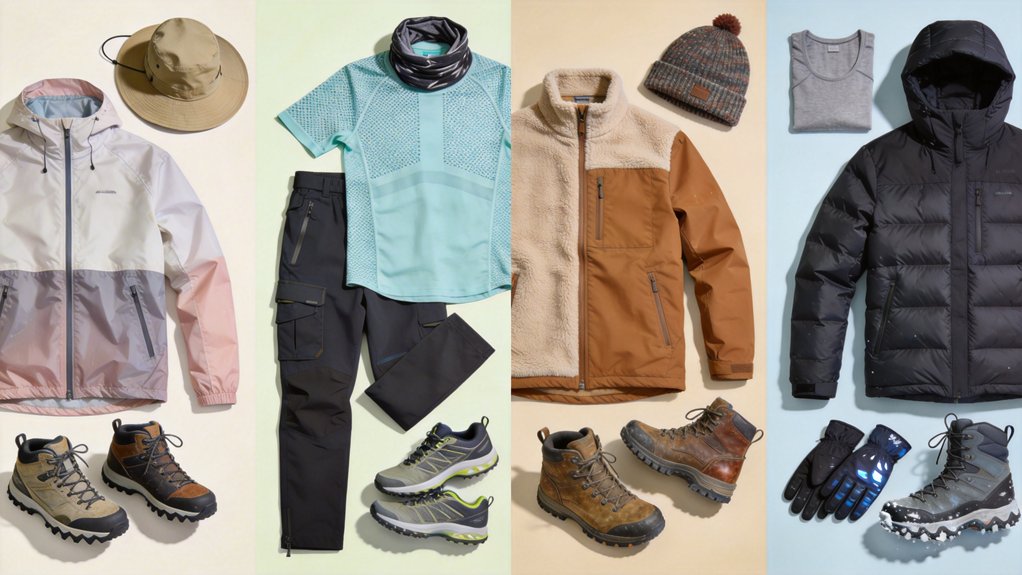
Wear moisture-wicking fabrics in three layers: 1) a base layer for sweat management, 2) an insulating middle layer, and 3) a windproof outer shell. Pair these with stable hiking boots or trail runners to prevent ankle injuries on descents.
This guide covers seasonal adjustments from spring through winter, organized by temperature ranges and weather conditions.
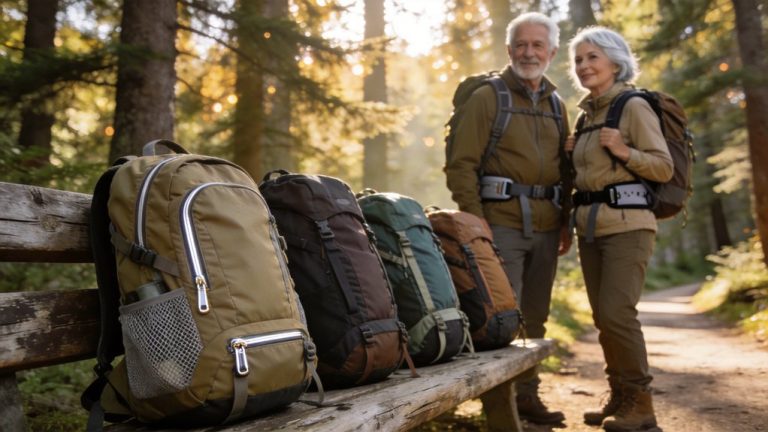
This guide focuses on adults 40-70 new to hiking, accounting for joint sensitivity and slower temperature regulation that develop with age.
Our recommendations prioritize injury prevention over speed or distance. We checked guidelines for footwear stability and thermal regulation research for layering systems. Spring demands flexible layering options. Summer requires breathable gear and extra hydration capacity. Fall and winter need waterproof insulation rated to 20°F or lower.
Start each hike feeling slightly cool. You’ll warm up within 15 minutes of steady movement.
Hiking Clothes Serve a Different Purpose Than Casual Wear
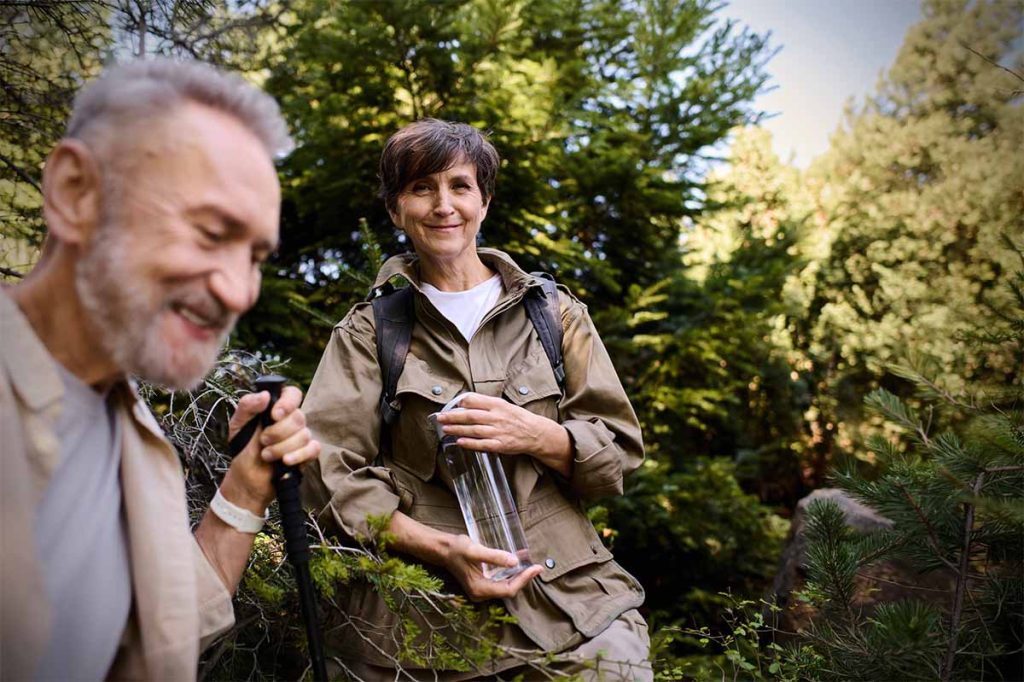
Your everyday clothes aren’t built for hiking, and that matters more than you’d think. Cotton absorbs sweat and stays wet against your skin, draining body heat fast.
After age 50, your body’s temperature regulation becomes less efficient, making wet cotton against your skin genuinely dangerous on cool mornings or windy ridges.
Hiking clothes use moisture-wicking fabrics that pull sweat away from your skin. They keep you dry and maintain stable body temperature as you move between sun and shade.
Breathable materials let heat escape during climbs while blocking wind on exposed sections. Reinforced stitching and abrasion-resistant fabrics prevent tears when you brush against rocks or branches.
Quality hiking socks dry quickly between water crossings, reducing blister risk during those first crucial miles.
Layering lets you adjust your body temperature as conditions change throughout your hike. Critical because your effort level varies dramatically between climbs and flat sections.
Your body works harder on trails than pavement. Proper gear supports that effort without adding problems.
The Three-Layer System: Prevent Chilling and Overheating on Trail
Skip cotton entirely. It holds sweat against your skin and causes dangerous chilling when you stop moving. Your body produces less heat after 40, making wet fabric a bigger risk.
This three-layer system keeps you warm without overheating. The base layer (synthetic or merino wool) pulls moisture away from skin. The middle layer (fleece or synthetic puffy) traps warm air. The outer shell blocks wind and rain.
Adults over 50 notice temperature changes less quickly, which means you mightn’t feel chilled until you’re already cold. Check your base layer at rest stops. If it feels damp, add your middle layer before you get cold.
Adults over 50 feel temperature changes slowly. Check your base layer at rest stops and layer up before you’re actually cold.
The layering system works because you can adjust. Too warm on the climb? Remove the middle layer. Windy at the summit? Add the shell. This prevents the sweat-then-chill cycle that ends hikes early.
Why Moisture-Wicking Fabrics Prevent Blisters and Hypothermia
The fabric touching your skin determines whether you finish your hike or turn back early.
Cotton absorbs sweat and holds moisture against your skin. Moisture-wicking synthetics and merino wool pull sweat away instead. This difference directly affects your safety.
Wet fabric against skin creates blisters. Damp socks rubbing inside boots generate friction that tears skin layers. Moisture-wicking materials keep your feet dry and reduce blister formation by 60-70% compared to cotton.
Wet clothing accelerates heat loss from your body. Cotton stays damp for hours and drops your core temperature fast. Adults over 50 are more susceptible to hypothermia because aging reduces your body’s ability to maintain stable temperature.
A damp cotton base layer in 50°F weather can lower your core temperature within 30 minutes.
Synthetic fabrics dry in minutes, not hours. They regulate body temperature by moving moisture away before it cools you down. Choose moisture-wicking materials for every layer that touches your skin.
Stable Footwear Reduces Ankle Injury Risk on Descents
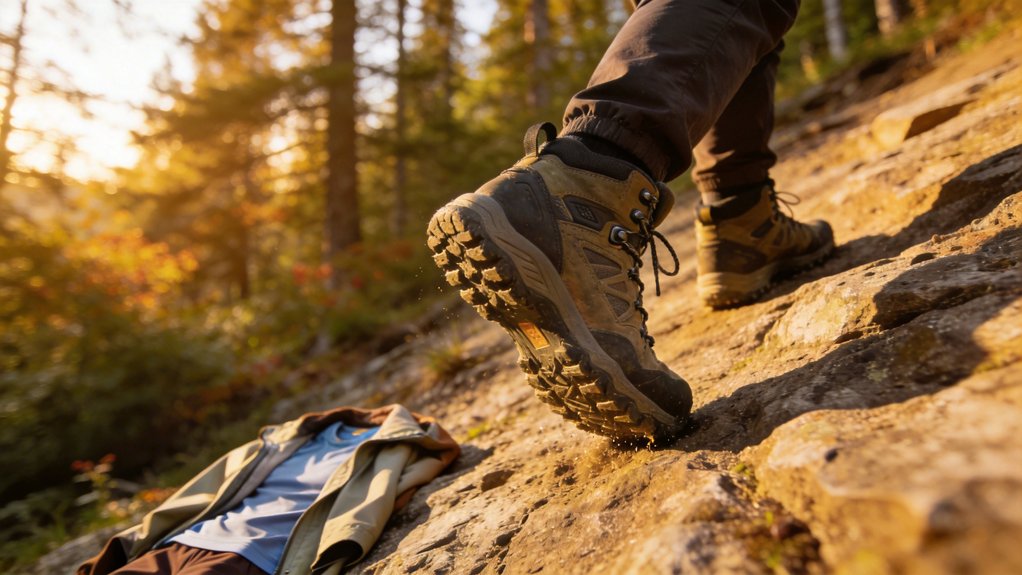
Most ankle sprains happen on descents, not climbs. Slow down going downhill. Your feet roll sideways more easily when gravity pulls you forward faster than your legs can control the motion.
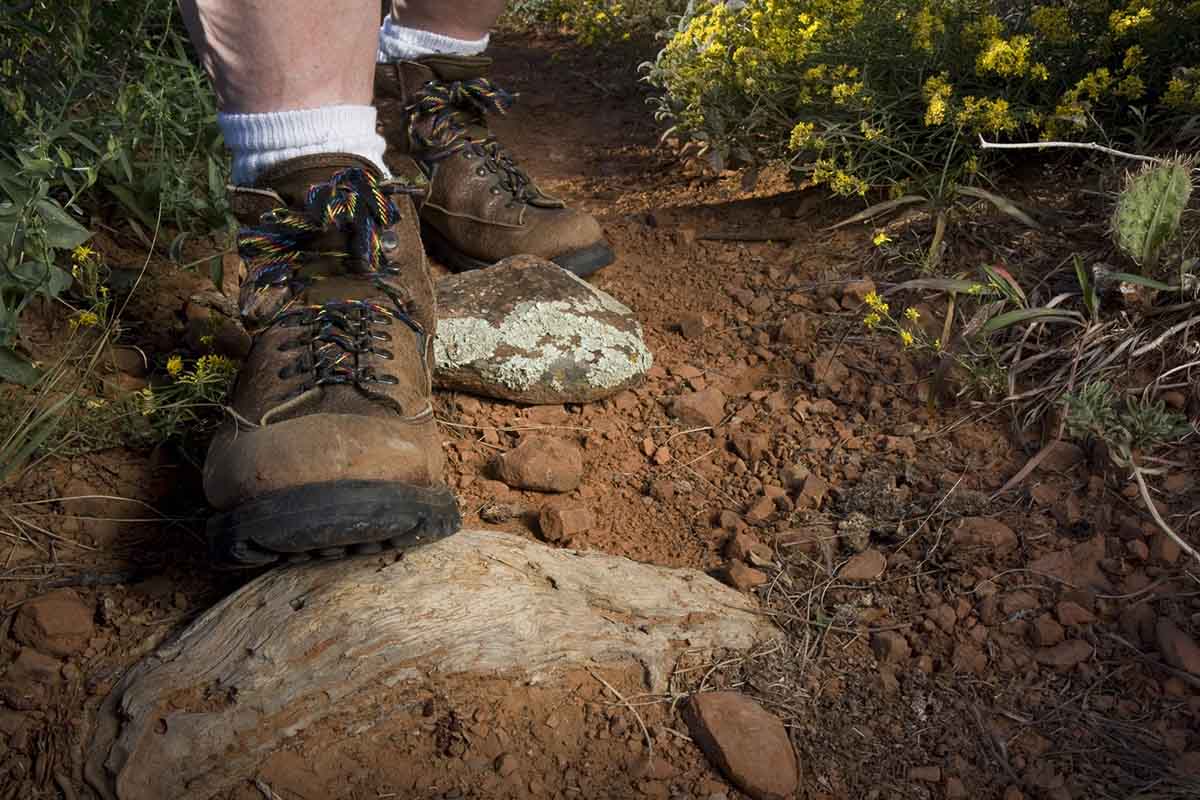
Stable footwear prevents this rolling. Trail runners or hiking boots with ankle support lock your foot in place and reduce sideways movement. The higher collar stabilizes your ankle during each downhill step.
Good tread grip matters just as much as ankle support. Deep lugs prevent slips on loose rocks and roots that cause the falls leading to sprains.
Break in new boots before your first hike. Worn-in boots fit better and won’t create blisters that throw off your balance.
Adults over 50 face higher sprain risk because ankle ligaments lose elasticity with age. A sprained ankle at 55 takes three weeks to heal instead of the 7-10 days typical at 25.
This recovery difference makes prevention through proper footwear and controlled descent speed essential for maintaining your hiking routine.
Spring: Manage Temperature Swings When Your Body Warms Slowly
Spring’s temperature swings create real problems for older hikers. Adults over 50 warm up 25% slower when cold and chill faster when wet. Your body’s temperature regulation becomes less efficient with age.
Build your outfit in layers you can adjust quickly. Start with moisture-wicking base layers that pull sweat away from skin. Add a fleece mid-layer for cool mornings. It traps heat without trapping moisture. Pack a lightweight waterproof jacket for unexpected rain and wind.
Include breathable pants, a hat, and sunscreen. Spring sun deceives: UV rays reflect off wet ground and increase exposure.
Start your hike feeling slightly cool. You’ll warm up within 15 minutes of walking, and peeling off layers mid-trail beats overheating early. If temperatures will exceed 85°F during your hike, reschedule. Heat safety outweighs pushing through.
Your body needs more time to adapt to temperature changes now. Plan accordingly.
Summer: Stay Hydrated and Cool Despite Reduced Thirst
As temperatures climb into the 80s and 90s, your body’s ability to sense thirst drops considerably. This change hits adults over 50 harder. Your thirst response weakens further with age, increasing dehydration risk before you notice symptoms.
Drink one liter of water per two hours of hiking, on schedule not when thirsty. Your body won’t warn you reliably.
Wear moisture-wicking fabrics like synthetic materials or merino wool. These manage sweat effectively while keeping skin dry. Choose lightweight, breathable clothing: shorts, tank tops, and lightweight leggings maximize airflow. A light windbreaker handles unexpected weather shifts.
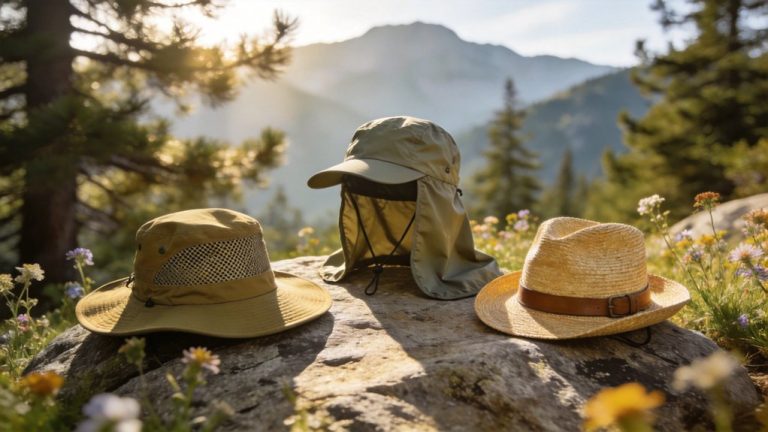
Pack a sun hat and sunglasses for UV protection. See our sun protection hats guide for wide-brimmed options with neck coverage. Baseball caps don’t cut it when you’re exposed for 2+ hours.
If temperatures will exceed 85°F during your hike, reschedule. Heat safety outweighs pushing through. Adults over 40 take longer to cool down after exertion. Your body needs more time to shed excess heat.
Prevention does the job your weakened thirst signals can’t handle.
Fall and Winter: Layer to Prevent Dangerous Chilling
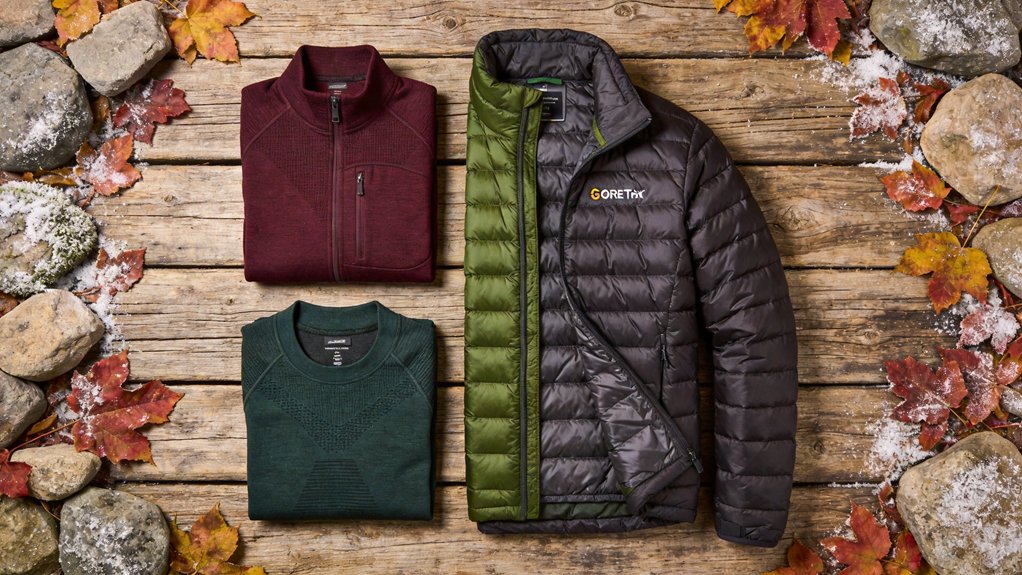
Fall and winter hiking requires layering to prevent dangerous chilling. Adults over 50 generate body heat more slowly during activity and lose warmth faster when stationary, making temperature control critical.
Start with a moisture-wicking base layer in synthetic fabric or merino wool to pull sweat away from your skin.
Add an insulated mid-layer like fleece to trap warmth without restricting movement. Top with a waterproof shell that blocks wind and rain.
Pack gloves, a warm hat, and one extra insulating layer in case temperatures drop unexpectedly. Bring extra socks in quick-drying materials. Wet feet in cold weather cause blisters and drain body heat through your extremities.
Remove layers before you start sweating heavily. Damp clothing against your skin accelerates heat loss.
Add layers back during breaks when your body cools within minutes of stopping movement.
Signs You’re Dressed Wrong and How to Adjust Mid-Hike
Within the first 15-20 minutes of hiking, you’ll know if your clothing layers are working. Excessive sweating means remove a layer immediately, don’t wait until your base layer is soaked. Adults over 50 produce less sweat per gland but may feel overheated faster, making early layer adjustment critical. Chilling signals you need an extra layer before your muscles stiffen.
Chafing or wetness means your clothes don’t fit right or lack water resistance.
Blisters developing? Your socks aren’t keeping feet dry. Pack an extra moisture-wicking pair in an accessible pocket. See our hiking socks for blister prevention guide for specific product recommendations.
Heavy, restrictive clothing causes premature fatigue and reduces your margin for safety. Adjust immediately by removing layers, changing into dry socks, or switching fabrics entirely. Small mid-hike changes prevent discomfort from ending your hike early.
If you’re drenched in sweat within 20 minutes, you’ve overdressed. Strip down to your base layer and store the extra clothes.